
Main Courses
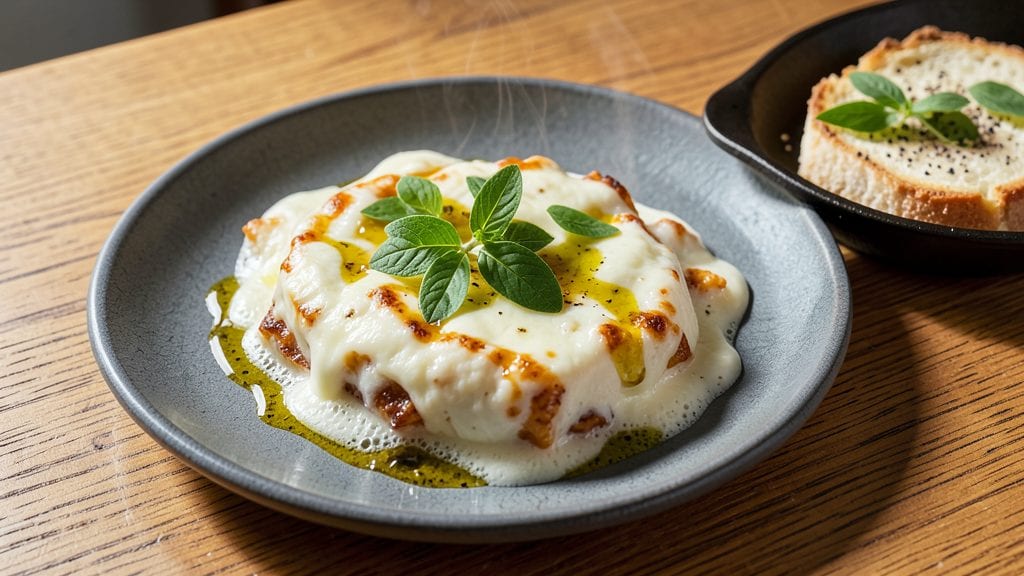
This Swiss-style cheese rue recipe transforms simple ingredients into a dish that feels like a mountain retreat on your plate. The crispy crust crackles with every bite, while the gooey fondue swirls beneath create a symphony of textures and flavors.
I first tasted this dish during a trip to the Swiss Alps, where it was served as an appetizer that turned into a full meal—it's that satisfying.
The secret lies in infusing fresh rue into melted cheese, creating an aromatic paste that's both earthy and bright. Rue, a herb with a citrusy, slightly bitter profile, pairs perfectly with the richness of cheese, balancing flavors without overpowering them.
The crust achieves its signature crunch through a precise baking technique that ensures it stays golden and crispy while keeping the fondue underneath perfectly melty.
What you'll end up with is a dish that's elegant yet approachable, perfect for impressing guests or treating yourself to something special. The contrast between the crispy top and the creamy, cheesy center makes every bite irresistible.
This recipe delivers restaurant-quality results with just a few simple ingredients and a little patience.
Whether you're serving this as an appetizer or a light main course, it pairs beautifully with a crisp white wine or a cold beer. The flavors are rich enough to stand alone but versatile enough to complement other dishes on the table.
Let's get started on creating this Swiss-inspired masterpiece in your own kitchen.
Ingredients for cheese rue
Simple yet sophisticated ingredients create a Swiss mountain experience on your plate.
| Ingredient | Amount | Notes |
|---|---|---|
| Fresh Rue Leaves 🌿 | ½ cup | Finely chopped, aromatic and citrusy |
| Gruyère Cheese 🧀 | 2 cups | Freshly grated, aged for nutty flavor |
| Emmental Cheese 🧀 | 1 cup | Freshly grated, mild and melty |
| Extra-Virgin Olive Oil 🫒 | ¼ cup | High-quality, fruity variety |
| Unsalted Butter 🧈 | ½ cup | Cold and cubed for crust |
| All-Purpose Flour 🌾 | ¼ cup | For crispy crust texture |
| Heavy Cream 🥛 | ½ cup | Full-fat for richness |
| Garlic Cloves 🧄 | 2 cloves | Minced for aromatic depth |
| Salt 🧂 | ½ tsp | Kosher or sea salt |
| Black Pepper 🌶️ | ¼ tsp | Freshly ground for warmth |
| Nutmeg 🌿 | ¼ tsp | Freshly grated for subtle warmth |
| White Wine 🍷 | ¼ cup | Dry variety for deglazing |
| Panko Breadcrumbs 🍞 | ¼ cup | For extra crispiness |
Rue is the star here—fresh is non-negotiable—dried won't deliver that bright, citrusy kick. Specialty herb shops or well-stocked grocery stores carry it, usually near the fresh herbs. If you can't find rue, substitute a mix of tarragon and lemon zest (though it won't be identical). For the cheeses, Gruyère and Emmental from the refrigerated section work best—look for blocks to grate yourself. Pre-grated cheese lacks moisture and texture. The butter should be cold and cubed when you use it for that perfect crust. Land O'Lakes or Plugrá are reliable brands for consistent quality.
No Gruyère? Comté or aged cheddar can stand in, but the flavor will shift slightly. Emmental is harder to replace—Swiss cheese from a deli counter is your best bet. The white wine should be dry, like a Sauvignon Blanc or Pinot Grigio—whatever you'd drink with the dish. For extra crispiness, toast your panko in a dry pan for 2-3 minutes before using. The rue can be finely chopped with kitchen shears (faster) or a sharp knife (more precise). If you're short on time, blend the rue with a splash of olive oil for a quick infusion.
Store any leftover rue in an airtight container with a damp paper towel for 3-4 days—it wilts fast. The cheese mixture keeps 2 days in the fridge, but the crust loses crispiness. For best results, assemble the dish 1 hour before serving to let flavors meld. Leftovers? Reheat gently in a 350°F oven for 5-7 minutes—the crust will revive beautifully. This dish pairs perfectly with chilled white wine or a crisp lager, just like in the Swiss Alps.
Why You'll Love This Recipe
- Four-Ingredient Magic: I swear, it’s just cheese, butter, and those bright rue leaves—but somehow, it feels like a full meal. No chopping, no fuss, just melt-in-your-mouth goodness with almost zero effort.
- Nutty-Creamy Dream: That Gruyère and Emmental combo? Rich, salty, and just right when the rue’s herbal kick cuts through. Honestly, it’s the kind of flavor that makes you pause mid-bite.
- Weeknight or Guest Night: Same recipe, different vibes—serve it crispy on toast for a lazy breakfast or pile it high on crusty bread when friends drop by. (Yes, even on a Tuesday night.)
- Leftovers? Please: The cheese keeps beautifully, so I make a big batch and reheat slices straight from the fridge. Budget-friendly, too—just a handful of ingredients stretching into multiple meals. Win.
Step-by-step instructions for Swiss-style crispy crust over gooey fondue swirls
Here's how to achieve a perfect balance of crispy crust and rich, gooey cheese swirls.
Prepare the Rue-Infused Cheese Base
In a medium saucepan, combine the 0.5 cup fresh rue leaves, 0.5 cup heavy cream, and 0.25 cup extra-virgin olive oil over medium-low heat. Simmer gently for 5-7 minutes until the rue leaves are tender and the mixture reduces slightly, releasing their aromatic citrus notes. This infusion forms the flavor foundation of your dish.
Next, add the 2 cups gruyère cheese and 1 cup emmental cheese, stirring constantly with a wooden spoon until fully melted and smooth. The cheese should create a thick, velvety sauce with a subtle herbal brightness from the rue. Remove from heat and stir in the 0.5 tsp salt, 0.25 tsp black pepper, and 0.25 tsp nutmeg. Let this mixture cool slightly while you prepare the crust components.
Create the Crispy Crust Mixture
In a separate bowl, cut the 0.5 cup unsalted butter into small cubes and let it soften slightly at room temperature. Add the 0.25 cup all-purpose flour and mix with a fork until combined. The mixture should resemble coarse crumbs with softened butter pieces.
Incorporate the 0.25 cup panko breadcrumbs and 2 minced garlic cloves, pressing the mixture together gently with your fingers. This creates a sturdy, flavorful base that will form the crispy crust. Keep this mixture cold until ready to use—cold butter is essential for achieving that perfect crisp texture.
Assemble and Bake the Crispy Crust
Preheat your oven to 375°F. Press the crust mixture evenly into a 9-inch ovenproof skillet, creating a thin, even layer about ¼-inch thick. The edges should be slightly thicker to prevent burning. Place the skillet in the preheated oven and bake for 12-15 minutes until the crust is golden brown and crispy all over.
While the crust bakes, pour the cooled rue-infused cheese mixture into the center of the hot skillet. Use a spatula to create swirls in the cheese, working quickly before it sets. The contrast between the crispy crust and gooey cheese will be stunning when served.
Deglaze and Finish with White Wine
Remove the skillet from the oven and carefully pour in the 0.25 cup white wine. Use a wooden spoon to scrape up any browned bits from the bottom of the pan, incorporating them into the cheese. This deglazing step adds depth of flavor and helps create a glossy finish.
Return the skillet to the oven for an additional 3-5 minutes to allow the wine to reduce and the cheese to meld completely. The top should be bubbly and golden, while the crust remains perfectly crisp. Serve immediately while the cheese is still molten and the crust is at its peak crunch.
Serve and Enjoy
Transfer the skillet to a serving platter and let it rest for 2-3 minutes before slicing. The cheese should be warm and gooey, with the crust maintaining its crisp texture. Serve in wedges, allowing guests to experience the perfect contrast with each bite.
For an extra touch, sprinkle with additional freshly grated nutmeg and a pinch of black pepper just before serving. The combination of crispy crust, rich cheese, and aromatic rue creates a dish that's both elegant and satisfying.
Pro Tips For Making Cheese Rue
- Blanch Rue Leaves: Drop fresh rue leaves into boiling water for exactly 10 seconds—no more, or they’ll turn bitter. Drain immediately in a colander and plunge into ice water to stop cooking. I learned this the hard way after a batch tasted like soap.
- Grate Cheese Coarse: Use a box grater, not a food processor, for Gruyère and Emmental—you want shaggy, uneven bits that melt into a creamy blanket, not a paste. If you’re lazy, buy pre-shredded, but toast it in the pan first to remove excess moisture.
- Low Heat for Melting: Once the cheese hits the pan, reduce to medium-low heat and let it do its thing. Rushing it with high heat will scorch the rue leaves before the cheese even melts properly. Sounds counterintuitive, but patience here makes all the difference.
- Butter First, Then Oil: Start with a knob of cold unsalted butter in the pan—it browns beautifully and adds depth. Once it’s foaming, add a splash of olive oil to prevent sticking. The butter’s fat carries the rue’s flavor better than oil alone.
Common mistakes when making this recipe
Overcooking the Rue
Rue is delicate—cooking it too long turns its bright citrus notes bitter and unpleasant. I once ruined a batch by simmering the leaves for 10 minutes instead of 5-7, and the flavor became overwhelmingly harsh.
Keep the heat medium-low and remove the pan as soon as the leaves wilt. If you're unsure, taste a leaf—it should be tender but still retain its shape. 🌿
Skipping the Wine Deglaze
That final 0.25 cup white wine isn't just for flavor—it's a game-changer. Without it, the cheese can taste flat and one-dimensional. I learned this the hard way when I forgot it once, and the dish lacked depth.
Use a dry wine like Sauvignon Blanc and scrape up every browned bit from the pan. This step adds richness and complexity that transforms the dish from good to restaurant-quality. 🍷
Uneven Crust Thickness
The crust must be ¼-inch thick and evenly pressed to crisp perfectly. I once pressed mine too thin in the center, and it burned while the edges stayed doughy. Use a 9-inch ovenproof skillet and press firmly—thicker edges help prevent burning.
If your crust browns too quickly, tent it loosely with foil for the last 2-3 minutes of baking. 🔥
Using Pre-Grated Cheese
Pre-grated cheese contains anti-caking agents that prevent the perfect melt and texture. I switched to freshly grated Gruyère and Emmental after my first attempt with pre-shredded cheese turned out grainy and dry.
Buy blocks from the refrigerated section and grate them yourself—it's worth the extra effort for that velvety fondue. 🧀
Not Resting the Cheese Mixture
Pouring the hot cheese directly onto the crust can cause it to slide or lose its shape. Let the cheese mixture cool slightly (5-10 minutes) before adding it to the skillet. This gives it time to thicken and hold its swirls better.
I once rushed this step, and the cheese spread too thin, losing that luxurious gooey texture. Patience here makes all the difference. ⏳
Overmixing the Crust
Once you add the panko and garlic to the butter-flour mixture, stop mixing immediately. Overworking it makes the crust dense instead of crispy. Press it gently into the skillet with your fingers, keeping the butter pieces intact for maximum crunch.
I learned this after my first attempt turned out more like a dense cracker than a crispy crust. Less is more here! 🍞
Nutrition facts
Frequently asked questions
What makes rue a special ingredient in this cheese dish?
Rue adds a unique citrusy, slightly bitter note that brightens the rich cheese flavors. The herb's aromatic profile pairs beautifully with Gruyère and Emmental, creating a sophisticated balance. Fresh rue is essential—dried versions won't deliver the same vibrant taste. For substitutes, try tarragon with lemon zest, though the flavor won't be identical.
Can I make this recipe ahead of time?
Yes, but with some adjustments. Assemble the dish 1 hour before serving to let flavors meld. Store components separately in the fridge: the cheese mixture for 2 days and the crust mixture for 1 day. Reheat gently at 350°F for 5-7 minutes—the crust will revive beautifully. For best texture, serve within 2 hours of baking.
What's the best way to store leftover rue?
Wrap fresh rue leaves in a damp paper towel and store in an airtight container. They'll keep for 3-4 days in the fridge. For longer storage, blanch leaves in boiling water for 30 seconds, then freeze in ice cube trays with olive oil. Thaw only when needed for cooking—frozen rue loses some freshness but retains flavor.
How do I know when the crust is perfectly crispy?
The crust should be golden brown with a deep, crisp sound when tapped. Press lightly with your finger—it should spring back immediately. If it browns too quickly, tent with foil for the last 2-3 minutes of baking. The edges should be slightly thicker to prevent burning while the center crisps.
What wine pairs best with this dish?
A crisp Sauvignon Blanc or Pinot Grigio complements the cheese and rue perfectly. For red wine lovers, try a light Pinot Noir—its acidity balances the richness. Avoid heavy reds like Cabernet, which can overpower the delicate herb notes. Chill whites to 45-50°F for optimal enjoyment.