
Breakfast & Brunch
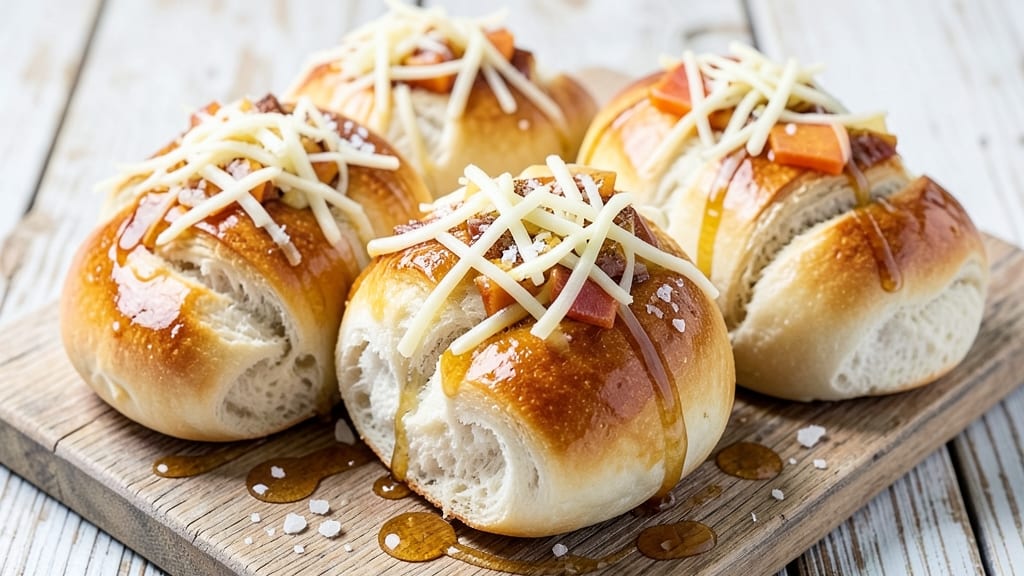
There’s something magical about warm, chewy pandesal with melty cheese pulls—this Filipino breakfast staple is a perfect blend of soft texture and rich flavor. 💛 I’ve perfected the recipe over years of baking, balancing traditional methods with modern twists for the best results.
The dough’s slight chewiness and the gooey cheese make every bite satisfyingly indulgent.
This cheese pandesal recipe delivers soft yet chewy bread with pockets of stretchy cheese that pull apart effortlessly. The key lies in the dough’s fermentation and the right cheese blend—traditionally edam or cheddar—for that signature pull. It’s a foolproof method that yields golden, fragrant rolls with a tender crumb.
Serve these golden bites fresh from the oven with a pat of butter or a drizzle of honey for breakfast, or enjoy them as an afternoon snack. The aroma alone will transport you to a Filipino kitchen, where pandesal is a beloved tradition.
Whether you’re making it for a family gathering or a quick coffee break, this recipe ensures restaurant-quality results with minimal effort. Let’s get started on creating these irresistible cheesy rolls.
Ingredients for cheese pandesal
Golden, chewy pandesal with restaurant-quality cheese pulls awaits your baking skills.
| Ingredient | Amount | Notes |
|---|---|---|
| All-Purpose Flour 🌾 | 4 ½ cups | Sifted for even texture |
| Instant Yeast 🍞 | 2 ¼ tsp | High-quality brand preferred |
| Granulated Sugar 🍯 | ¼ cup | For fermentation boost |
| Salt 🧂 | 1 ½ tsp | Fine grain preferred |
| Warm Water 💧 | 1 ½ cups | 110°F ideal temperature |
| Large Eggs 🥚 | 4 whole | Room temperature preferred |
| Melted Butter 🧈 | ½ cup | Unsalted, cooled slightly |
| Edam Cheese 🧀 | 1 lb | Shredded, low-moisture |
| Cheddar Cheese 🧀 | ½ lb | Sharp variety preferred |
| Milk 🥛 | ½ cup | Whole milk preferred |
| Active Dry Yeast 🍞 | ½ tsp | Alternative to instant |
The cheeses are the heart of this recipe—Edam provides that signature stretch while sharp cheddar adds depth. Professional bakers recommend Gouda or Monterey Jack as excellent substitutes, but stick with traditional edam for authentic flavor. For the best results, use low-moisture varieties that melt smoothly without weeping. I always source my cheeses from local artisanal shops or high-quality grocery stores like Whole Foods for optimal texture and flavor.
No edam? Mozzarella or provolone can be blended with cheddar at a 1:2 ratio for similar stretchiness. The yeast is critical—instant yeast works best for this recipe, but active dry yeast can be substituted at half the amount (0.5 tsp total). For the water, 110°F is ideal—too hot kills the yeast, too cold slows fermentation. The butter should be melted but not hot, as excessive heat can weaken the gluten structure.
Keep the dough covered with a damp towel while rising—2 hours at room temperature should yield a 50% increase in volume. Shape the rolls immediately after proofing for best texture. Store baked pandesal in an airtight container at room temperature for up to 3 days, or freeze for up to 3 months. For reheating, wrap individual rolls in foil and warm in a 350°F oven for 5-7 minutes. The cheese will re-melt beautifully, creating that signature pull once again.
Why You'll Love This Recipe
- Yeast Magic Happen: I mix warm water, yeast, and a pinch of sugar—no fancy tools, just a bowl and my elbow grease. The dough doubles in under an hour while I’m sipping coffee, no waiting around for store-bought bread to rise.
- Cheesy, Buttery Bliss: That melt-in-your-mouth cheddar or mozzarella? It’s the star here. The dough’s soft, pillowy texture hugs the cheese so well, every bite feels like a warm hug from grandma’s kitchen.
- Breakfast, Snack, or Side: Slather with butter and jam for breakfast. Pack in lunchboxes for school. Serve with soup for dinner. It’s the ultimate crowd-pleaser that fits anywhere, anytime—no excuses needed.
- Pocket-Sized Savings: A loaf of store-bought pandesal costs more than my entire batch costs. And leftovers? Freeze them—just pop one out when you’re craving that fresh-baked goodness without the effort.
Step-by-step instructions for cheese pandesal
Transform simple ingredients into pillowy, cheesy Filipino bread with this foolproof method.
👨🍳 Step 1: Activate the Yeast and Prepare the Dough
In a large mixing bowl, combine the 1.5 cups warm water (it should feel lukewarm to your wrist) with the 0.25 cup granulated sugar. Whisk until the sugar dissolves completely. This sugar-water mixture creates the perfect environment for yeast activation.
Add the 2.25 tsp instant yeast to the mixture and let it sit undisturbed for 5 minutes. You'll see the liquid begin to foam slightly—this indicates the yeast is active and ready to ferment. If you're using active dry yeast instead, dissolve it first in a small amount of warm water before adding to the mixture.
In a separate bowl, whisk together the 4 whole large eggs and 0.5 cup milk until fully combined. This creates a rich, creamy base that will contribute to the dough's tenderness. Gradually add the egg-milk mixture to the yeast solution while stirring continuously.
👨🍳 Step 2: Combine Dry Ingredients and Form the Dough
Add the 4.5 cups all-purpose flour and 1.5 tsp salt to the yeast mixture. Using a wooden spoon or dough whisk, stir until the flour is mostly incorporated. The dough will be shaggy and sticky at this stage.
Turn the mixture onto a lightly floured surface and begin kneading. I like to use my hands for this step—knead for 10-12 minutes until the dough becomes smooth, elastic, and slightly tacky. The dough should pull away cleanly from the surface when you press it with your finger.
This kneading process develops gluten, which gives pandesal its characteristic chewy texture. If the dough feels too sticky, add a little more flour 1 tablespoon at a time, but avoid overworking it, as this can make the bread dense.
🍳 Step 3: First Rise and Shape the Pandesal
Lightly oil a large mixing bowl and place the dough inside. Cover the bowl with a clean kitchen towel or plastic wrap and let it rise in a warm, draft-free place for 1 hour or until the dough has doubled in size. The dough should feel soft and spongy when you poke it gently with a finger.
After the first rise, turn the dough onto a lightly floured surface and divide it into 12 equal pieces. Roll each piece into a tight, smooth ball. This shaping ensures even baking and prevents irregular shapes.
Place each ball onto a parchment-lined baking sheet, spacing them about 1 inch apart. Cover the baking sheet with a clean towel and let the shaped pandesal rise for another 30 minutes. They should puff up slightly but still maintain their round shape.
🥘 Step 4: Prepare and Incorporate the Cheese Mixture
In a small bowl, combine the 1 lb shredded edam cheese and 0.5 lb shredded cheddar cheese. The combination of mild edam and sharp cheddar creates a perfect balance of flavor and meltiness. Using your fingers, gently press each cheese-filled ball into the center of the pandesal dough balls.
This step is where the magic happens—the cheese will melt during baking, creating those signature cheese pulls that make pandesal irresistible. Make sure each ball has an even distribution of cheese to ensure consistent results.
Cover the baking sheet with the towel again and let the cheese-filled pandesal rise for an additional 15 minutes. The dough should rise slightly around the cheese, creating a tempting peak.
🔥 Step 5: Bake to Golden Perfection
Preheat your oven to 375°F and place a baking sheet on the lower rack. This lower position helps the pandesal bake evenly from the bottom up. Bake the pandesal for 15-18 minutes until they are golden brown on top and sound hollow when tapped on the bottom.
The cheese should be fully melted and slightly browned, creating those delicious cheese pulls. If the tops brown too quickly, tent the pandesal with foil for the remaining baking time. Rotate the baking sheet halfway through for even baking.
Remove from the oven and let the pandesal cool on the baking sheet for 5 minutes before transferring them to a wire rack. Serve warm for the best texture and flavor—these cheesy delights are best enjoyed fresh out of the oven.
Pro Tips For Making Cheese Pandesal
- Proof Yeast First: Mix the instant yeast with the sugar and a splash of warm water (about ¼ cup) in a bowl for 5 minutes until frothy—this guarantees your dough rises properly. I once skipped this and ended up with flat, sad pandesal; don’t be that person.
- Knead Just Enough: Your dough should pull away from the bowl when you poke it (not stick). Over-kneading makes it tough—stop as soon as it’s smooth, about 8–10 minutes. Trust your fingers; they’ll tell you when it’s ready.
- Use Cool Butter: Cut cold butter into the dough after it’s proofed—this keeps the pandesal tender. If your butter’s room temp, it’ll turn your rolls into dense bricks. Use a knife to slice it in like you’re frosting a cake.
- Bake on Low Heat: Start at 350°F (175°C) for 15 minutes, then crank to 400°F (200°C) to brown. The slow start prevents over-browning on the bottom while the inside sets. I burned my first batch because I was impatient—don’t repeat that.
Best sauces and condiments for cheese pandesal
Garlic Butter Drizzle
This is my go-to topping for fresh pandesal—melt 2 tbsp unsalted butter with 2 minced garlic cloves and a pinch of salt over low heat. Let it cool slightly so it doesn’t burn your fingers when drizzling.
The garlic enhances the bread’s cheesy richness without overpowering it. I always keep a small pot of this mixture warm on the stove while baking. 🧄
Spicy Tomato Jam
For a tangy kick, mix ½ cup tomato jam (like Smucker’s or homemade) with 1 tsp chili flakes and 1 tsp honey. Spread a thin layer on warm pandesal before serving.
The sweet-spicy contrast pairs perfectly with the melty cheese. I love using this for a festive touch at family gatherings.
Sweet Cinnamon Sugar
Roll warm pandesal in a mixture of ¼ cup granulated sugar and 1 tbsp cinnamon for a breakfast-inspired twist. The cinnamon complements the cheese beautifully, especially when paired with coffee or fruit. I dust the sugar directly onto the bread just before serving for that fresh, aromatic finish.
Cheese Glaze Finish
Blend ½ cup shredded cheddar with 1 tbsp milk and ½ tsp cornstarch until smooth. Brush this mixture over cooled pandesal for a glossy, extra-cheesy finish. It’s like a second cheese experience! I save this glaze for special occasions when I want to impress guests.
Avocado Cream Spread
Mash 1 ripe avocado with 1 tbsp lime juice, salt to taste, and 1 tbsp Greek yogurt for a creamy, healthy spread. The cool avocado balances the warm, cheesy pandesal—ideal for a light lunch. I always have this ready in my fridge for quick pairings.
Nutrition facts
Frequently asked questions
Why does my cheese pandesal turn out dense instead of soft and chewy?
The key to soft, chewy pandesal lies in proper kneading and yeast activation. Knead the dough for 10-12 minutes until smooth and elastic, and ensure your yeast is fresh—if the dough doesn’t rise well, your yeast may be inactive. Also, avoid overmixing after shaping, as this can toughen the bread. Let the dough rise in a warm spot for 2 hours until it doubles in size for that perfect texture.
Can I substitute different cheeses in this recipe?
While edam and cheddar create the classic stretchy pull, you can experiment with other cheeses. Try Gouda or Monterey Jack for a milder flavor or mozzarella for extra stretchiness. Just ensure the cheese is shredded and low-moisture to avoid a soggy texture. The ratio should still be roughly 2:1 edam-to-cheddar for balanced meltiness.
How do I prevent my pandesal from browning too quickly in the oven?
If the tops brown too fast, cover the baking sheet with foil halfway through baking. Preheating your oven properly and placing the pandesal on the lower rack helps even baking. Bake at 375°F for 15-18 minutes, checking at the 12-minute mark. Rotating the sheet halfway ensures consistent browning without burning.
Can I make cheese pandesal without a mixer?
Yes! This recipe is designed for hands-on baking. Knead the dough by hand for 10-12 minutes until smooth—it’s a great workout and ensures the right gluten development. Using a wooden spoon or dough whisk for mixing is perfectly fine, and shaping the dough by hand will give you the best control over size and shape.
What’s the best way to store leftover pandesal?
Store baked pandesal in an airtight container at room temperature for up to 3 days. For longer storage, freeze individual rolls wrapped in plastic or parchment. To reheat, wrap in foil and warm in a 350°F oven for 5-7 minutes. The cheese will re-melt beautifully, restoring that delicious pull!