
Tips
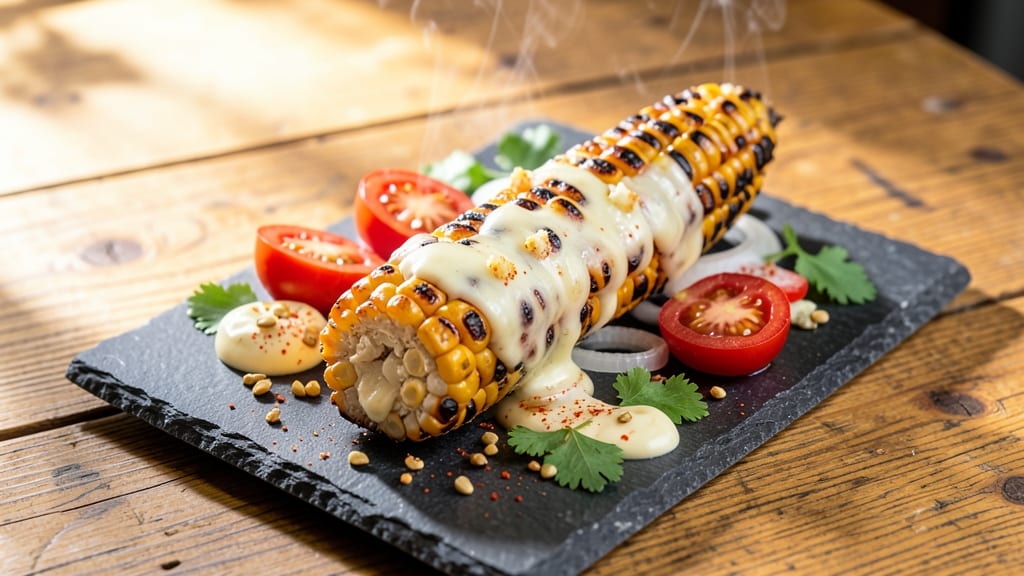
The best cheese for elote recipe is a blend of queso fresco for crumbly tanginess and cotija for sharp saltiness, often paired with creamy queso Oaxaca or melted Monterey Jack for richness. Traditional Mexican elote calls for fresh, crumbled cheeses to balance sweet corn and chili spices.
The right cheese transforms elote from a simple street food to a flavorful masterpiece.
Queso fresco's mild acidity brightens the sweet corn, while cotija's sharpness cuts through the smokiness of chiles like chipotle or guajillo. 🌟 For extra richness, melted queso Oaxaca or Monterey Jack adds a velvety texture that makes every bite irresistible.
This combination isn't just traditional—it's essential for that perfect balance of creaminess, heat, and tang.
What's fascinating about these cheeses is how their textures play together. The crumbly freshness of queso fresco contrasts beautifully with the smooth melt of Oaxaca, while cotija's sharp crystals add a satisfying bite. This interplay is what makes elote so much more than just grilled corn—it's a complete sensory experience.
When you're short on time, feta and cream cheese can mimic the tang, while Parmesan works for cotija's saltiness, though nothing beats the authentic combo.
💡 In This Article
- Why Queso Fresco and Cotija Dominate Elote Cheese
- How to Substitute Cheese for Elote When Short on Ingredients
Why queso fresco and cotija dominate elote cheese
The magic of elote lies in its balance of sweet, smoky, and savory flavors, and the cheese plays a pivotal role in achieving that harmony. Queso fresco delivers a delicate acidity—akin to a mild buttermilk tang—that acts like a palate cleanser, cutting through the corn’s natural sweetness.
This acidity is a result of its short aging process (just 2-4 weeks), which preserves its bright, almost citrusy notes. Compare this to cheeses like feta, which can taste more pungent and overpowering; queso fresco’s subtle tang lets the elote’s other flavors shine without competing.
The crumbly texture of queso fresco is another game-changer. When sprinkled over warm, buttery corn, its small, irregular pieces melt just enough to create pockets of creamy richness while retaining a satisfying bite.
This contrasts beautifully with the smooth, melted cheeses like queso Oaxaca or Monterey Jack, which envelop the corn in a velvety blanket. Cotija, on the other hand, brings a sharp, salty punch that intensifies the smoky depth of chiles like chipotle or ancho.
Its coarse, granular texture adds a tactile contrast—almost like sprinkling sea salt on a dish, but with a cheesy complexity.
What most people don’t realize is how the saltiness of cotija enhances the smoky flavors in elote. The salt in cotija (typically 3-4% salt content) works synergistically with the chiles’ capsaicin, amplifying their warmth without adding bitterness.
This is a technique used in many Mexican dishes, where salt and spice balance each other to create a more nuanced heat. Alternatives like Parmesan, while salty, lack the sharpness and crumbly texture that cotija provides, often leaving elote tasting more bland or overly cheesy.
Texture is everything in elote, and the combination of queso fresco and cotija creates a dynamic contrast. Queso fresco’s crumbly, dry surface absorbs the corn’s juices and chili oils, while cotija’s salt crystals cling to the kernels, adding a satisfying crunch.
This interplay is what separates elote from other grilled corn dishes. For example, if you used a smooth cheese like mozzarella, the result would be overly creamy and lacking the complexity that makes elote so beloved.
Another key factor is how these cheeses interact with the elote’s other ingredients. The mild acidity of queso fresco brightens the corn’s natural sugars, while cotija’s saltiness cuts through the richness of the mayo or crema.
This balance ensures that no single flavor overpowers the others. Even the visual presentation benefits—queso fresco’s white, crumbly texture stands out against the smoky corn and vibrant chili dust, making each bite visually appealing as well.
To truly understand why this combo works, think of it like a well-balanced meal: sweet (corn), smoky (chiles), tangy (queso fresco), and salty (cotija). Each element has its role, and swapping in a less complementary cheese disrupts that harmony.
For instance, while feta adds tang, its strong flavor can overwhelm the delicate balance of elote, leaving it tasting more like a Greek salad than a Mexican street treat.
In the end, the secret to perfect elote lies in embracing these textures and flavors—crisp, creamy, sharp, and sweet—all working together. It’s a testament to how small, intentional choices can turn a simple dish into something extraordinary. 🌟