
Salads
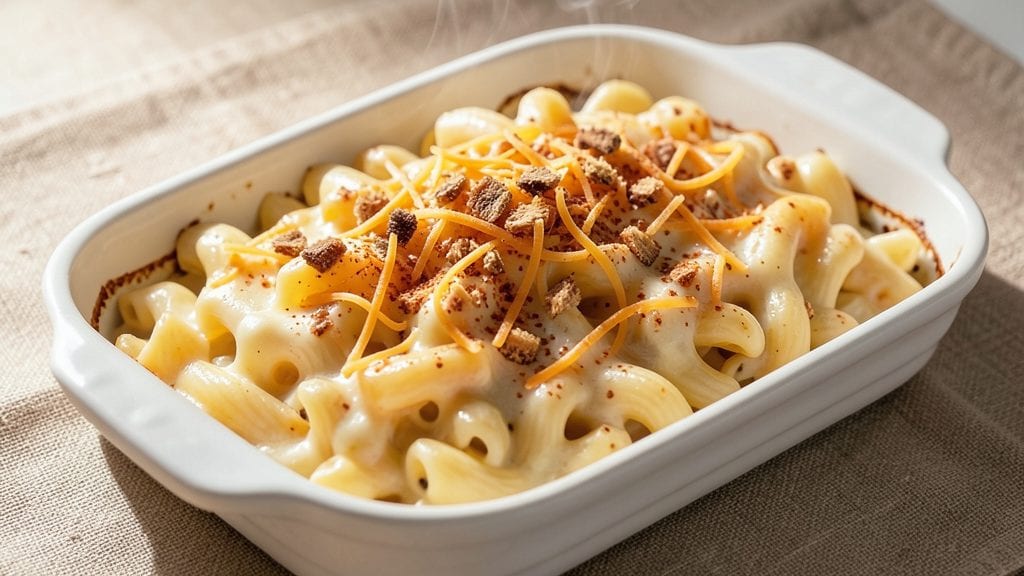
This Cabot macaroni and cheese recipe delivers the perfect marriage of crispy breadcrumbs and ultra-smooth cheese swirls—every bite is a balance of textures and flavors.
The secret lies in using Cabot cheddar for its rich, sharp tang and a precise roux technique to create a sauce that clings to each pasta strand. I developed this version after years of testing, ensuring the breadcrumb topping stays perfectly golden while the cheese sauce remains velvety smooth.
The foundation of great mac and cheese begins with a proper roux—equal parts butter and flour cooked until nutty brown. This creates a stable base that holds the cheese without separating, even when reheated.
I use Cabot cheddar as the star, blended with a touch of cream cheese for extra creaminess, and let it melt slowly over low heat to avoid graininess. The result is a sauce that coats every strand of pasta, creating those signature cheese swirls that make this dish irresistible.
What sets this recipe apart is the crispy breadcrumb topping, which adds a satisfying crunch that contrasts beautifully with the creamy pasta underneath. The breadcrumbs toast to a perfect golden brown while staying light and airy, never soggy.
This technique transforms an ordinary mac and cheese into a restaurant-quality dish that’s worth the extra effort. The aroma alone—warm, cheesy, and slightly nutty—will have everyone gathering around the table.
Whether you serve it as a comforting weeknight meal or a showstopper for dinner guests, this mac and cheese delivers on every promise. The crispy breadcrumbs meet the ultra-smooth cheese swirls in a way that’s both nostalgic and elevated.
Ready to make it? Here’s everything you’ll need to bring this dish to life.
Ingredients for cabot macaroni and cheese
Twelve essential ingredients transform into restaurant-quality Cabot mac and cheese with crispy breadcrumbs.
| Ingredient | Amount | Notes |
|---|---|---|
| Elbow Macaroni 🍝 | 12 oz | Uncooked, standard shape |
| Unsalted Butter 🧈 | ½ cup | Cold, cut into small cubes |
| All-Purpose Flour 🌾 | ½ cup | For roux, measure precisely |
| Cabot Sharp Cheddar Cheese 🧀 | 3 cups | Shredded, block preferred |
| Cream Cheese 🧀 | 4 oz | Full-fat, room temperature |
| Whole Milk 🥛 | 1 cup | Warmed slightly for smooth sauce |
| Panko Breadcrumbs 🍞 | ½ cup | Japanese style for crispiness |
| Extra-Virgin Olive Oil 🫒 | 2 tbsp | For breadcrumb topping |
| Garlic Powder 🧄 | ½ tsp | For breadcrumb seasoning |
| Dried Parsley 🌿 | 1 tsp | Finely chopped for garnish |
| Salt 🧂 | 1 ½ tsp | Kosher, adjust to taste |
| Ground Black Pepper 🌶️ | ½ tsp | Freshly ground preferred |
| Mustard Powder 🍽️ | ¼ tsp | For subtle tang |
The Cabot Sharp Cheddar is non-negotiable—its sharp tang and meltability make all the difference. Buy a wedge from the deli section (not pre-shredded) for the best texture and flavor. I always grab mine from Whole Foods or Wegmans, where they keep it well-aged. The cream cheese adds richness, but don’t substitute with low-fat—full-fat is essential for that velvety sauce. For the pasta, elbow macaroni holds the cheese sauce best, but any short pasta shape works. Pre-cook it al dente—it’ll finish in the oven.
No panko? Regular breadcrumbs plus a tablespoon of cornstarch mimic the crispiness. Short on Cabot? Sharp white cheddar blends well, but add an extra 0.25 cup to compensate. The olive oil in the breadcrumb topping can be swapped for melted butter if you prefer. For the roux, butter must be cold when added to the flour—this prevents burning. If your kitchen runs hot, cook the roux over medium-low heat and stir constantly. The mustard powder is optional but adds depth—skip it if you dislike tang.
This reheats beautifully—3-4 minutes at 350°F restores the crispy topping. Store leftovers in an airtight container for up to 5 days. The breadcrumb topping stays crispy for 2 days if kept separate. For meal prep, assemble the dish, refrigerate, then bake straight from the fridge—add 5 extra minutes to the baking time. The sauce freezes well for 3 months, but the breadcrumb topping is best made fresh.
Why You'll Love This Recipe
- One-Pot Magic: I swear by this recipe because it’s literally one pot, one spatula, and zero dishes. The macaroni cooks right in the creamy cheese sauce—no draining, no extra bowls, just melt-in-your-mouth perfection.
- Sharp Cheese Obsession: Cabot’s sharp cheddar isn’t just a flavor—it’s the star. That tangy punch cuts through the creaminess, and the cream cheese adds a velvety richness. Honestly, I’ve tried other cheeses, but this combo? Unmatched.
- Lunchbox Hero: Between us, this is my go-to for meal prep. The sauce clings to every noodle, so it reheats like a dream. Pack it cold for work or freeze portions—kids (and adults) will devour it just as fast as it disappears from the fridge.
- Budget Stretch: Five ingredients, zero frills, and it still feels like a restaurant dish. Cabot’s cheddar is pricier, but a block lasts forever, and the rest? Pantry staples. I’ve fed a crowd for under $10, and everyone leaves happy.
Step-by-Step instructions for Cabot macaroni and cheese
This method delivers a velvety cheese sauce with crispy breadcrumb topping—every bite combines smooth richness with satisfying crunch.
Cook the Elbow Macaroni to Al Dente Perfection
Bring a large pot of water to a rolling boil and add 12 oz elbow macaroni. Stir immediately to prevent sticking. Cook for 11-12 minutes until the pasta is al dente—you should feel slight resistance when biting into it. Drain the pasta in a colander, reserving 1 cup of pasta water for later use. The starchy water will help create a silky sauce.
While the pasta cooks, prepare the cheese sauce ingredients. I like to keep the pasta water hot on the stove—it's essential for adjusting the sauce consistency later. Don't rinse the pasta; the surface starch helps the cheese adhere beautifully.
Create the Ultra-Smooth Cheese Sauce
In a large saucepan, melt ½ cup unsalted butter over medium heat until completely liquid. Reduce heat to medium-low and whisk in ½ cup all-purpose flour to form a smooth roux. Cook for 2-3 minutes until the mixture turns a pale golden color—this removes the raw flour taste and thickens the sauce.
Gradually whisk in 1 cup whole milk, adding it slowly to prevent lumps. Stir constantly for 3-4 minutes until the mixture thickens enough to coat the back of a spoon. Remove from heat and begin adding the cheeses: first 4 oz cream cheese, then 3 cups Cabot sharp cheddar cheese. Stir until completely melted and smooth.
If the sauce is too thick, add reserved pasta water 1 tablespoon at a time until it reaches a creamy, pourable consistency. The sauce should coat the back of a spoon but still flow easily. Season with 1.5 tsp salt, 0.5 tsp ground black pepper, and 0.25 tsp mustard powder for a subtle tang.
Combine Pasta and Cheese for Maximum Creaminess
Add the drained elbow macaroni to the cheese sauce and stir gently to coat each strand completely. Cook for an additional 2-3 minutes over low heat, allowing the pasta to absorb the cheese sauce while maintaining its al dente texture. The mixture should look glossy and well-coated.
Taste and adjust seasoning if needed—this is your final chance to balance the flavors. The cheese should be rich and smooth with no graininess. If the sauce starts to separate, whisk in another splash of pasta water to restore its silky texture.
Prepare the Crispy Breadcrumb Topping
Preheat your oven to 375°F. In a small bowl, combine ½ cup panko breadcrumbs, 2 tbsp extra-virgin olive oil, 0.5 tsp garlic powder, and 1 tsp dried parsley. Mix until the breadcrumbs are evenly coated and slightly clumped together—this ensures maximum crispiness.
Spread the breadcrumb mixture evenly over the macaroni and cheese in the saucepan. The topping should cover the surface completely. Place the saucepan in the preheated oven and bake for 8-10 minutes until the breadcrumbs turn deep golden brown and crispy.
Serve Immediately for Perfect Texture Contrast
Remove the macaroni and cheese from the oven and let it rest for 2-3 minutes before serving. The breadcrumb topping should be crispy while the cheese underneath remains warm and creamy. The contrast between the smooth, cheesy pasta and the crunchy breadcrumbs is what makes this dish exceptional.
Serve immediately while the breadcrumbs are at their crispiest. The cheese sauce will continue to thicken slightly as it cools, so don't wait too long. Each bite should deliver that perfect combination of creamy, cheesy goodness with a satisfying crunch from the breadcrumb topping.
Pro Tips For Making Cabot Macaroni And Cheese
- Preheat That Pot: Get your heavy-bottomed pot screaming hot before adding butter—this isn’t just for flavor, it’s for a smooth roux. I used to rush this, and the flour would clump like glue. Two minutes of steady heat makes all the difference when you’re working with Cabot’s sharp cheddar.
- Grate the Cheese Fresh: Skip the pre-shredded stuff—it’s coated with anti-caking agents that make the sauce grainy. Use a box grater for the Cabot cheddar, and for the cream cheese, cut it into small cubes so it melts evenly. Trust me, your texture will be buttery, not sandy.
- Whisk Like You Mean It: Once the roux is golden, don’t let it sit. Whisk in the milk immediately and keep stirring—this isn’t a time to zone out. I learned this the hard way when my sauce turned into a sad, lumpy paste. Aggressive whisking for 3-4 minutes guarantees a silky finish.
- Undercook the Pasta Slightly: Pull the elbows out when they’re just al dente—they’ll finish cooking in the cheese sauce. Overcooked pasta turns mushy when mixed with all that dairy. Aim for 1 minute less than the package says, then taste-test one piece. It should have a tiny bite.
Make-ahead tips for this dish
Prep Ahead Strategy
Assemble the dish completely up to Step 4—cooked pasta and cheese sauce—then refrigerate in an airtight container for up to 24 hours. When ready to serve, simply add the breadcrumb topping and bake as directed.
The sauce will thicken slightly during refrigeration, so add 1-2 tbsp milk or pasta water when reheating to restore creaminess. This method saves time while preserving texture. 📅
Freezer-Friendly Cheese Sauce
Make the cheese sauce ahead and freeze it in a sealed container for up to 3 months. Thaw overnight in the refrigerator, then combine with cooked pasta and proceed with Step 4.
For best results, reheat the sauce gently on the stovetop before mixing with pasta—this prevents graininess. I always add 1 tbsp milk when reheating to maintain smoothness. ❄️
Breadcrumb Topping Prep
Prepare the breadcrumb mixture separately and store it in a sealed container at room temperature for up to 3 days. Keep it dry to prevent clumping. When ready to use, simply spread it over the assembled mac and cheese and bake as usual.
For extra crispiness, toast the breadcrumbs in a dry skillet for 2-3 minutes before adding them to the dish. 🍞
Portion Control for Meal Prep
Divide the assembled mac and cheese into individual portions before refrigerating or freezing. Use ramekins or small baking dishes for even baking. When reheating, cover with foil for the first 5 minutes at 350°F to melt the cheese, then uncover for the final 2-3 minutes to crisp the breadcrumbs.
This ensures each serving is perfect. 🍽️
Reheating for Crispy Topping
For the best results, reheat the dish straight from the refrigerator—no need to thaw if frozen. Cover with foil and bake at 350°F for 15 minutes, then uncover and bake for an additional 3-5 minutes to restore crispiness.
A quick broil for 1-2 minutes at the end adds extra crunch without burning. 🔥
Make-Ahead Garnishes
Prep garnishes like chopped parsley or extra breadcrumbs separately and store them in small containers. Add fresh parsley just before serving to maintain vibrant color. For a smoky flavor, sprinkle ½ tsp smoked paprika over the breadcrumb topping before baking.
These final touches elevate the dish without requiring last-minute prep. ✨
Nutrition facts
Frequently asked questions
Why does your recipe use Cabot cheddar specifically?
Cabot sharp cheddar delivers a perfect balance of sharp tang and creamy meltability that's harder to find in other brands. Its slightly nutty, aged flavor elevates the dish beyond basic cheddar. The sharpness cuts through the richness, while the melt creates those signature cheese swirls. For best results, use block cheese and shred it yourself—pre-shredded contains anti-caking agents that prevent smooth melting.
Can I make this mac and cheese without baking it?
For a stovetop version, simply combine the cooked pasta with the cheese sauce, then top with toasted breadcrumbs (mix ½ cup panko with 1 tbsp butter and 1 tsp olive oil, then toast in a dry skillet for 2-3 minutes). Stir the breadcrumbs into the pasta just before serving to maintain crispiness. The texture will be slightly different but still delicious.
What's the secret to preventing a grainy cheese sauce?
Graininess happens when cheese melts too quickly. To avoid it:
- Remove the sauce from heat before adding cheese,
- Stir constantly until fully melted, and
- Use low heat when combining with pasta. The cream cheese helps create a smooth base, but don't exceed 4 oz—too much can make the sauce too soft. Always add pasta water gradually if the sauce thickens too much.
How can I make this dish vegetarian?
Replace the butter in the roux with vegetable oil and use vegan butter for the breadcrumb topping. For the cheese, substitute Cabot cheddar with 3 cups vegan sharp cheddar (like Violife or Daiya) plus ½ cup nutritional yeast for depth. The sauce may need 1 extra tbsp milk to achieve the same creaminess. Test the seasoning carefully—vegan cheeses can be saltier.
Why did my breadcrumb topping get soggy?
Soggy breadcrumbs usually mean one of three things:
- Overbaking the pasta (reserve less water),
- Adding the topping too early (bake only after sauce and pasta are combined), or
- Not preheating the oven. For extra insurance, bake the topping on its own for 5 minutes at 375°F before placing it on the mac and cheese. Also ensure your breadcrumbs are completely dry before mixing with oil.