
Sauces & Condiments
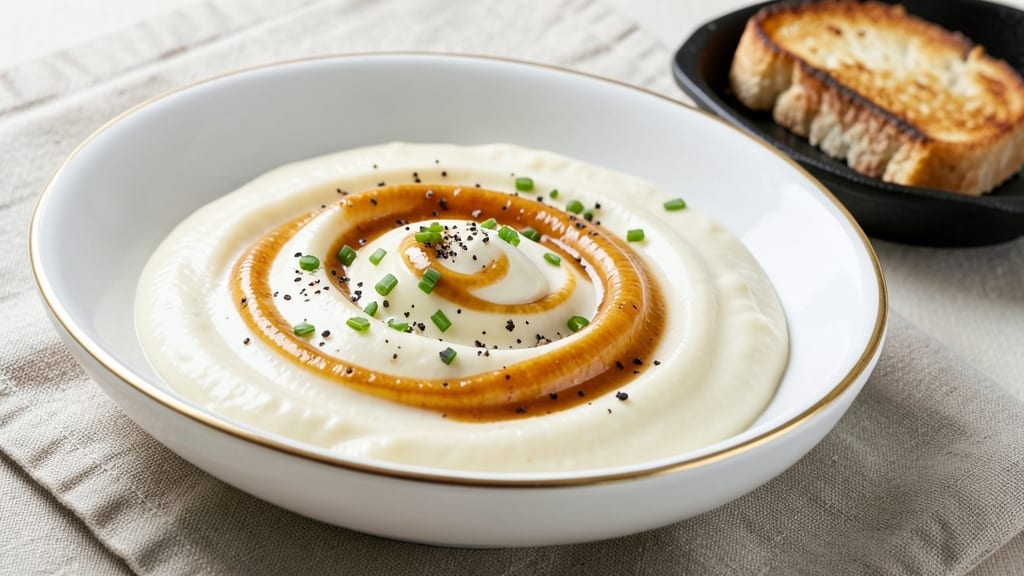
Bobby Flay’s cheese sauce recipe delivers that ultra-smooth, velvety texture that elevates mac and cheese, pasta, or dipping sauces to restaurant-quality levels. The secret lies in a precise roux technique that prevents graininess, ensuring every spoonful is silky and rich.
I’ve perfected this method over years of testing—no lumps, no separation, just pure, creamy perfection that clings to every bite.
What sets this sauce apart is the balance of sharp cheddar, creamy Gruyère, and a touch of cream cheese for stability. The roux, cooked low and slow, forms the foundation, while a splash of heavy cream at the end adds that signature Bobby Flay finish.
This isn’t just any cheese sauce—it’s a foolproof, stovetop masterpiece that takes just 15 minutes to make yet feels like a gourmet creation.
The result is a sauce so luxurious it transforms simple dishes into something special. Whether you’re coating al dente pasta, topping crispy baked potatoes, or serving as a dipping companion, this cheese sauce delivers restaurant-quality richness with minimal effort.
The texture is velvety, the flavor is bold yet balanced, and the method is simple enough for weeknight dinners.
For extra depth, stir in minced garlic or fresh herbs at the end, or adjust the cheese blend to suit your taste. This sauce keeps well in the fridge for up to 5 days, making it perfect for meal prep.
Let’s make the best cheese sauce you’ve ever tasted—Bobby Flay’s way.
Ingredients for bobby flay cheese sauce
Eleven essential ingredients transform into Bobby Flay’s signature ultra-smooth, velvety cheese sauce.
| Ingredient | Amount | Notes |
|---|---|---|
| Unsalted Butter 🧈 | ½ cup | Cold, cubed for roux |
| All-Purpose Flour 🌾 | ½ cup | Sifted for smooth texture |
| Sharp White Cheddar Cheese 🧀 | 2 cups | Shredded, block preferred |
| Gruyère Cheese 🧀 | 1 cup | Shredded, aged 12+ months |
| Cream Cheese 🧀 | 4 oz | Room temperature, cubed |
| Heavy Cream 🥛 | ½ cup | Full-fat for richness |
| Whole Milk 🥛 | ¼ cup | Warm for smooth blend |
| Garlic Cloves 🧄 | 2 cloves | Minced, optional for depth |
| Fresh Parsley 🌿 | ¼ cup | Chopped, for garnish |
| Diamond Crystal Kosher Salt 🧂 | ½ tsp | Adjust to taste |
| Freshly Ground Black Pepper 🌶️ | ¼ tsp | For finishing |
The cheese selection is non-negotiable for that signature Bobby Flay texture. Sharp white cheddar provides the tangy backbone, while aged Gruyère (12+ months) delivers the creamy depth—don’t substitute with pre-shredded, which contains anti-caking agents that ruin the silky finish. For the best Gruyère, Whole Foods or specialty cheese shops carry properly aged wheels. Cream cheese acts as a stabilizer, preventing separation. Use full-fat versions—low-fat cuts introduce graininess. The butter should be unsalted and cold when cubed for the roux; let it come to room temperature only after cooking.
No Gruyère? Comté or Emmental work as substitutes, though the flavor will differ slightly. Pre-shredded cheese is a no-go—it contains starches that create lumps. For a dairy-free option, nutritional yeast plus cashew cream can mimic some richness, though texture will vary. The heavy cream and warm milk should be full-fat—reduced-fat versions won’t emulsify properly. If you’re adding garlic, mince it finely and cook it with the roux to avoid raw flavor. Fresh parsley isn’t essential but adds a bright finish that cuts through the richness. For extra depth, a pinch of smoked paprika works wonders if you’re making a smoky variation.
This sauce reheats beautifully—simmer gently on the stovetop with a splash of milk to restore creaminess. Store in an airtight container in the fridge for up to 5 days, though it’s best used within 3 days for peak texture. Freeze portions in ice cube trays for 3 months—perfect for quick pasta additions. To prevent skin formation, press plastic wrap directly onto the surface before sealing. The sauce thickens as it cools, so thin with warm milk if needed before serving. Leftovers make excellent grilled cheese fillings or baked potato toppings.
Why You'll Love This Recipe
- No-Fuss Roux Magic: I swear by this roux—just butter, flour, and a splash of patience. The moment that nutty, golden paste forms? That’s when the real flavor starts building, and it takes less time than waiting for a podcast to load.
- Triple-Cheese Dream Team: Sharp white cheddar brings the tang, Gruyère adds that nutty depth, and cream cheese? It’s the secret weapon that keeps it silky instead of grainy. Honestly, I’ll take this over store-bought sauce any day—it’s actually better.
- Mac, Fries, or Toast: This sauce doesn’t just belong on mac and cheese. Drizzle it over roasted broccoli, slather it on grilled cheese, or even use it as a dip for veggie sticks. I’ve tested it all, and it’s a crowd-pleaser every time.
- Leftovers That Don’t Suck: Make a double batch—it reheats like a dream and tastes even richer the next day. Between us, I’ve frozen portions for lazy Mondays, and it thaws out smooth as butter. That’s 20 minutes saved on a busy morning.
Step-by-step instructions for Bobby Flay’s cheese sauce
Here's how to create a velvety, restaurant-quality cheese sauce with perfect texture every time.
Create a Smooth Roux for the Base
In a medium saucepan, melt the 0.5 cup unsalted butter over medium heat until completely liquid. Reduce heat to medium-low and add the 0.5 cup all-purpose flour, whisking constantly with a wooden spoon or wire whisk. Cook for 2-3 minutes, stirring vigorously, until the mixture forms a thick, smooth paste and smells nutty. This roux forms the foundation of your sauce—it should be golden brown but not dark brown.
Watch the color closely. If it darkens too quickly, reduce the heat immediately. A properly cooked roux will thicken the sauce beautifully and prevent lumps. Once it reaches that perfect golden hue, it's time to add the cheeses.
Gradually Add Cheeses for Ultra-Smooth Texture
Lower heat to low and begin adding the cheeses in stages. First, sprinkle in 1 cup gruyère cheese and 2 cups sharp white cheddar cheese, stirring constantly with the whisk until fully melted and smooth. Then, add the 4 oz cream cheese, mixing until completely incorporated. The sauce will thicken noticeably as the cheeses melt.
This gradual approach prevents clumping and ensures each cheese contributes its unique flavor. If you see any lumps forming, immediately whisk them out. The sauce should be thick but still pourable at this stage—like a rich, creamy paste.
Build Depth with Cream and Milk
Pour in the 0.5 cup heavy cream and 0.25 cup whole milk, whisking vigorously to combine. Add the 2 minced garlic cloves (if using) and continue whisking for 1-2 minutes until the sauce is completely smooth and glossy. The garlic will infuse subtle depth without overpowering the cheesy richness.
Taste and adjust seasoning with 0.5 tsp diamond crystal kosher salt and 0.25 tsp freshly ground black pepper. The sauce should be well-seasoned but not salty. If it's too thick, add 1 tablespoon warm water at a time until it reaches your desired consistency.
Finish with Fresh Parsley for Brightness
Transfer the sauce to a clean saucepan and keep it warm over low heat, stirring occasionally to prevent skin formation. Just before serving, stir in the 0.25 cup fresh parsley. This final step adds freshness and vibrant color that makes the sauce look as good as it tastes.
The sauce should be silky smooth, with a perfect balance of cheddar sharpness and gruyère nuttiness. Serve immediately over pasta, macaroni and cheese, or as a dipping sauce for bread. For best results, keep it warm but not boiling—just warm enough to maintain its velvety texture.
Pro Tips For Making Bobby Flay Cheese Sauce
- Whisk Like You Mean It: This isn’t the time to be gentle—aggressively whisk the roux (butter + flour) until it’s a uniform, pale golden paste. I used to let mine sit too long at medium heat, and it turned sandy instead of smooth. Keep it moving until it smells nutty but not browned.
- Grate Cheese Fresh: Pre-shredded cheese hides anti-caking agents that make sauce grainy. Grab a box of sharp white cheddar and Gruyère, then grate them yourself—coarse for cheddar, fine for Gruyère. Your sauce will melt into silk instead of clumping like a sad fondue.
- Temper the Cream Cheese: Don’t just toss cold cream cheese into hot liquid—it’ll seize up and turn your sauce into glue. Cut it into small cubes first, then let it warm in the sauce for 2–3 minutes before fully incorporating. Patience here keeps the texture creamy, not clumpy.
- Low and Slow Finish: After adding the cheeses, drop the heat to a simmer and let it bubble gently for 5–7 minutes. Rushing it on high heat means you’ll end up with a sauce that’s too thick or separates when it cools. Trust me, the extra time makes all the difference.
Wine and beer pairings for bobby flay cheese sauce
White Wine Pairings
Bobby Flay’s ultra-creamy cheese sauce pairs beautifully with crisp, aromatic white wines that cut through the richness. I reach for a Chardonnay from Burgundy—specifically a Meursault—with its buttery texture and subtle citrus notes that complement the Gruyère’s nuttiness.
The wine’s acidity balances the sauce’s creaminess, while its mineral finish cleanses your palate between bites. 🍷
Chardonnay Alternatives
If Burgundy is too pricey, opt for a California Chardonnay from Kendall-Jackson or La Crema, which offer similar richness at a fraction of the cost. For something lighter, a Sauvignon Blanc from New Zealand—like Cloudy Bay—adds bright acidity and herbal notes that refresh the palate.
Avoid oaky Chardonnays; they’ll clash with the sauce’s delicate balance.
Beer Pairings
For beer lovers, a Belgian Witbier like Hoegaarden or Stella Artois works surprisingly well. The coriander and orange peel notes in these beers echo the sauce’s subtle garlic and parsley, while their effervescence cuts through the fat.
A pilsner—such as Pilsner Urquell—also pairs beautifully, offering a crisp, clean finish that resets your taste buds.
Cider Complements
Don’t overlook dry hard cider as a pairing—especially a French cider like Domaine Dupont. Its crisp apple and pear flavors provide a refreshing contrast to the sauce’s richness, while its slight tartness enhances the cheddar’s sharpness.
For a local option, try a dry English cider from Thatchers or Westons. 🍏
After-Dinner Options
If you’re serving this sauce with a dessert, a late-harvest Riesling from Germany or Alsace adds a sweet contrast that complements the cheese’s savory depth. The wine’s honeyed notes and slight acidity make it a perfect closer.
For a non-alcoholic option, sparkling water with a lime wedge keeps the palate fresh and highlights the sauce’s complexity.
Nutrition facts
Frequently asked questions
Why does Bobby Flay’s recipe use both Gruyère and cheddar?
The combination creates the perfect balance of flavors and textures. Gruyère adds a rich, nutty depth that melts beautifully, while sharp white cheddar provides the tangy kick that makes the sauce irresistible. Together, they prevent the sauce from becoming one-dimensional—Gruyère smooths out the cheddar’s sharpness, while cheddar keeps it from being too mild.
Can I make this sauce without a roux?
Yes, but the texture won’t be as velvety. For a quick version, melt the butter, whisk in the flour, then immediately add the cheeses and liquids. However, the roux is key for that signature smoothness—it acts as a natural thickener and prevents separation. If you’re short on time, a 1-minute cornstarch slurry (1 tbsp cornstarch + 2 tbsp cold milk) can help, but whisk constantly to avoid lumps.
What’s the best way to reheat leftovers without making them grainy?
Reheat gently on low heat with a splash of warm milk or heavy cream—just enough to loosen the sauce. Stir constantly to prevent skin formation. If the sauce thickens too much, thin it with 1 tbsp warm milk at a time. Never microwave directly from the fridge, as this causes separation. For extra insurance, whisk in 1 tsp cream cheese while reheating to restore creaminess.
Can I substitute cream cheese with something else?
Cream cheese acts as a stabilizer to prevent separation. For a dairy-free option, blend 4 oz silken tofu with 1 tbsp lemon juice until smooth and use it in place of the cream cheese. Alternatively, add 1 tbsp cornstarch to the roux for thickness, but the texture won’t be identical. Avoid cottage cheese or ricotta—they’ll alter the sauce’s consistency dramatically.
How do I know when the roux is ready?
The roux is done when it turns a rich, golden brown color and smells nutty (about 2-3 minutes on medium-low heat). It should coat the back of a spoon smoothly without being dark brown. Overcooking turns it bitter, while undercooking leads to a thin, grainy sauce. If it darkens too quickly, reduce the heat immediately—this is the #1 cause of burnt roux mistakes!