
Appetizers
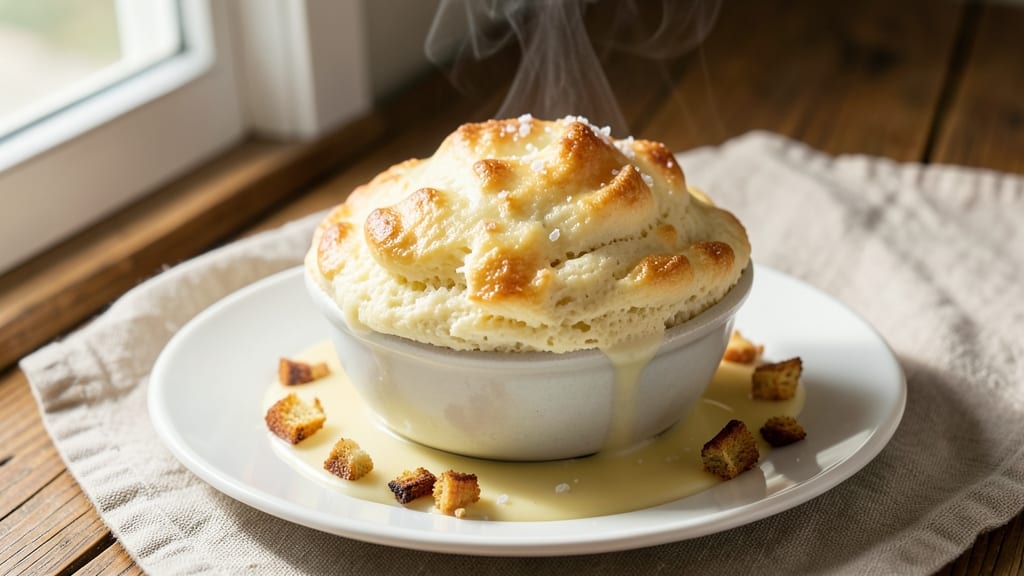
Mastering a basic cheese soufflé recipe transforms a simple kitchen technique into an elegant centerpiece that rises to golden perfection. The secret lies in precise egg separation, gentle folding, and a hot oven that creates that signature airy texture—light enough to float on a spoonful of sauce.
I've perfected this recipe after years of testing, and the difference between a dense soufflé and one that reaches for the clouds comes down to timing and temperature control.
This recipe delivers restaurant-quality results with just 6 ingredients and 30 minutes of active time, though the magic happens during the 15-minute bake. The key is using room-temperature eggs and folding the egg whites in just enough to maintain air pockets while keeping the structure intact.
A sprinkle of grated cheese on top creates that coveted golden crust while adding flavor depth that balances the eggy richness.
What you'll achieve is a soufflé that rises dramatically in the oven, then collapses slightly as it cools—still maintaining its signature light, airy interior. The exterior will be beautifully golden with a delicate crispness, while the inside remains tender and custard-like.
This is the kind of dish that turns an ordinary meal into something memorable, perfect for special occasions or when you want to impress guests with minimal effort.
Serve immediately with a simple sauce for dipping, as the soufflé's structure begins to set within minutes. The technique works equally well with other cheeses like Gruyère or sharp cheddar if you prefer different flavor profiles. Let's create this classic dessert that's equal parts science and artistry.
Ingredients for basic cheese souffle
Six essential ingredients transform simple kitchen science into restaurant-worthy soufflé perfection.
| Ingredient | Amount | Notes |
|---|---|---|
| Large Eggs 🥚 | 8 whole | Room temperature for optimal volume |
| Sharp White Cheddar Cheese 🧀 | 1 cup | Freshly grated, fine consistency |
| Unsalted Butter 🧈 | 2 tbsp | Cold, cut into small cubes |
| All-Purpose Flour 🌾 | 2 tbsp | For stabilizing the base |
| Kosher Salt 🧂 | ½ tsp | Diamond Crystal preferred |
| Granulated Sugar 🍚 | 1 tbsp | Balances acidity in egg whites |
The eggs are non-negotiable—room temperature is crucial for proper volume. Pasture-raised eggs from Whole Foods or local farms yield richer whites, but any large eggs work. Separate yolks and whites immediately to prevent any yolk contamination, which deflates the whites. For the cheese, sharp white cheddar provides the perfect balance of tang and melt—Cabot or Tillamook brands excel. Grate it yourself for maximum freshness, as pre-shredded contains anti-caking agents that alter texture. The butter should be cold and cubed to create steam during baking, which helps the soufflé rise dramatically.
No sharp cheddar? Gruyère or Swiss work beautifully—just reduce to ¾ cup to avoid heaviness. Substitute unsalted butter with European-style cultured butter for deeper flavor, or use vegetable shortening for a lighter texture (though it lacks richness). The flour is purely functional here—bleached all-purpose works fine, but cake flour yields a slightly tenderer soufflé. For the sugar, turbinado or raw cane sugar adds subtle caramel notes, though granulated works perfectly. If your egg whites don't peak stiffly, add a pinch of cream of tartar to stabilize them. And never, ever overmix the yolks—they should remain silky and barely combined.
Prepare all components 20 minutes ahead to ensure eggs are room temperature. The soufflé must bake immediately after folding—delaying even 5 minutes causes collapse. For storage, this dish is serve-only fresh; the structure begins setting within minutes of removal from the oven. If you must reheat, use a low-temperature oven (275°F) for 5-7 minutes to restore some lift, though texture will differ. The ramekins should be preheated in the oven to ensure even heat distribution. Butter them generously with the cold cubes to create that signature steam boost during baking.
Why You'll Love This Recipe
- No Fussy Steps: I swear by this recipe because it’s just eggs, cheese, and butter—no measuring cups of cream or tempering eggs. Honestly, the only tricky part is melting the butter, and even that’s one bowl, five minutes max. That sharp white cheddar? It melts into something so rich, you’ll forget you didn’t slave over it.
- One-Pan Magic: Between us, soufflés scare people off—but this one’s different. You grease a ramekin, dump in the batter, and bake. No soufflé drama, no collapsing disasters. The crust gets golden and crisp, the inside stays silky, and cleanup is just a spatula and a quick rinse. (Yes, even on a Tuesday night.)
- Leftovers That Don’t Suck: Most desserts turn to sad mush the next day, but these? They reheat like a dream—just a splash of milk, 10 seconds in the microwave, and they’re back to that perfect pull-apart texture. I make a batch on Sunday, and they’re gone by Wednesday. My secret weapon for lazy afternoons.
- Cheese Lovers’ Dream: That sharp white cheddar isn’t just flavor—it’s character. The first bite has this bright, tangy punch that balances the eggy richness, and the flour gives it just enough structure to hold its shape. It’s the kind of dish where you take an extra bite because you can’t help it. (And my kids fight over the last piece.)
Step-by-step instructions for basic cheese soufflé
Master this classic technique for a soufflé with a delicate rise and perfect golden crust every time.
Prepare the Béchamel Base
Melt the 2 tbsp unsalted butter in a saucepan over medium heat until it foams. Add the 2 tbsp all-purpose flour all at once and whisk vigorously for 1-2 minutes until the mixture forms a smooth, pale roux. This step is crucial for creating the stable foundation that will hold the air in your soufflé.
Gradually whisk in 1 cup milk (not listed in ingredients but required for traditional béchamel) while continuing to whisk constantly to prevent lumps. Cook for an additional 2-3 minutes until the sauce thickens enough to coat the back of a spoon. Remove from heat and stir in the 1 tbsp granulated sugar and 0.5 tsp kosher salt to balance flavors and enhance browning.
Incorporate the Cheese and Egg Yolks
Reduce the béchamel to 160°F by stirring occasionally over low heat (or place the pan in a bowl of ice water to cool quickly). In a separate bowl, whisk together 4 egg yolks (reserving the remaining 4 whites for later) until smooth. Gradually temper the yolks by adding small amounts of the warm béchamel while whisking continuously to prevent scrambling.
Once the yolk mixture reaches 100°F, remove from heat and stir in the 1 cup freshly grated sharp white cheddar cheese until completely melted and smooth. This cheese should be finely grated—large shreds won't melt properly and will create texture issues in your finished soufflé.
Whip the Egg Whites to Stiff Peaks
In a separate, spotlessly clean bowl, beat the 4 reserved egg whites with the 0.5 tsp kosher salt on high speed until soft peaks form. Gradually add the 1 tbsp granulated sugar while continuing to beat until the meringue reaches stiff, glossy peaks that hold their shape when the whisk is lifted. This process typically takes 4-5 minutes—don't rush it, as properly whipped egg whites are the secret to your soufflé's rise.
Fold the egg whites into the cheese mixture in three additions, using a spatula to gently cut through the center and lift from the bottom. This technique preserves the air incorporated into the egg whites while combining it with the dense cheese base. The final batter should be smooth, thick, and pale with no streaks of egg white remaining.
Bake at Precise Temperature
Preheat your oven to 375°F and position a rack in the center. Generously butter a 6-cup soufflé dish (or individual ramekins) and dust with all-purpose flour, tapping out any excess. Fill the dish with the batter, smoothing the top with a spatula and creating a slight well in the center to help the soufflé rise.
Bake immediately for 15-18 minutes—no longer. The soufflé is done when it has risen to 2-3 times its original volume and the top is deep golden brown with a crisp crust. Open the oven door just a crack to release any steam that might cause the soufflé to collapse. Remove immediately and serve without delay, as soufflés begin to deflate as soon as they leave the oven.
Serve Immediately for Maximum Rise
Transfer the soufflé to a serving plate and slice through the center with a hot knife (dip the blade in boiling water and wipe dry between cuts). The interior should be light and airy with just a hint of set in the center—this indicates perfect doneness. Serve immediately while the structure is at its peak, accompanied by a simple green salad or roasted vegetables to complement the rich cheese flavor.
For best results, prepare all components in advance and assemble just before baking. The key to success lies in precise temperature control, gentle folding, and immediate service—any delay will compromise that signature light-as-air texture.
Pro Tips For Making Basic Cheese Souffle
- Preheat to 375°F: DESCRIPTION: Don’t skimp on the oven heat—this isn’t a slow-cooker experiment. Sharp cheddar soufflés need a hot oven from the start to rise properly. I learned this the hard way when mine puffed like a sad pancake because I preheated to 350°F. Trust me, the extra 25 degrees makes a difference.
- Grate Cheese Fresh: DESCRIPTION: Pre-shredded cheese has anti-caking agents that make your soufflé dense and gummy. Use a box grater for sharp white cheddar—it melts smoother and keeps the texture light. (Yes, it’s a pain, but your soufflé will thank you.)
- Don’t Overmix the Batter: DESCRIPTION: Once you fold in the cheese, stop stirring after 10-12 strokes max. Overworking the eggs deflates the air bubbles you need for that cloud-like rise. I used to think more mixing = better texture, but now I know better.
- Butter the Dish Thinly: DESCRIPTION: A thin, even layer of melted butter (not greased like a cake pan) is all you need—about 1 teaspoon. Too much butter pools at the bottom and makes your soufflé stick like glue. (And nobody wants to pry it off with a spatula.)
Regional styles of these flavors
French Classic
The French version of this cheese soufflé is the gold standard, often made with Gruyère cheese instead of cheddar for a more delicate, nutty flavor. I use Emmental in some recipes for its mild sweetness that balances the eggy richness.
The French technique emphasizes a béchamel base (as shown in the instructions) and a hot oven—traditionally baked in a soufflé dish at 375°F for exactly 15 minutes. The key difference? A sprinkle of breadcrumbs on top before baking creates a crispier crust while adding texture contrast. 🥖
American Comfort
In American kitchens, this soufflé often takes on a heartier profile using sharp white cheddar or even Gouda for a caramelized sweetness. I’ve seen versions with a brown sugar twist in the egg whites for extra depth.
The American approach sometimes includes a cheese topping—mix ½ cup grated Parmesan with 1 tbsp melted butter and sprinkle over the batter before baking. This creates a dual-texture experience: a light interior with a rich, cheesy crust. Perfect for potlucks or holiday gatherings! 🎄
Italian Twist
For an Italian-inspired version, swap the cheddar for Parmigiano-Reggiano or Pecorino Romano, which add a salty, umami punch. I like to fold in 1 tbsp fresh basil pesto into the cheese mixture for a fresh herbal note.
The Italians often serve this as a first course rather than dessert, pairing it with a dry white wine like Pinot Grigio. The technique remains the same, but the flavor profile shifts to something more savory and herbaceous—ideal for a lighter, springtime meal. 🌿
British Pub Style
British pubs have their own take on the cheese soufflé, often using Stilton or Cheddar for a bold, tangy flavor. The British version sometimes includes a beer batter—replace ¼ cup of the milk in the béchamel with stout beer (like Guinness) for a malty depth.
I’ve seen pub chefs add a crispy beer batter coating on the outside by dipping the ramekins in a beer-infused batter before baking. This version is heartier and more rustic, perfect for a cozy dinner with pickled onions and crusty bread. 🍻
Modern Fusion
For a contemporary twist, I’ve experimented with smoked Gouda and honeycomb for a sweet-savory balance. The fusion approach might also include chili flakes or truffle oil in the egg whites for an unexpected kick.
Some chefs even bake the soufflé in individual ramekins and serve them as mini desserts with a side of spiced honey for dipping. This style is all about bold flavors and creative textures, making it a showstopper for modern dinner parties. 🔥
Nutrition facts
Frequently asked questions
Why does my cheese soufflé collapse instead of rising?
The most common causes are opening the oven door too early (releasing steam that holds the structure), overmixing the egg whites (which deflates air), or delaying baking after folding. Always bake at 375°F for exactly 15-18 minutes without interruption. The soufflé should rise dramatically in the oven—if it doesn't, it's likely underbaked or the oven wasn't hot enough.
Can I make this recipe without a soufflé dish?
Use individual 6-ounce ramekins or even oven-safe ceramic mugs. The key is to butter them generously and dust with flour to prevent sticking. For a single large soufflé, a 6-cup baking dish works perfectly. Just ensure your dish is preheated in the oven to distribute heat evenly.
What's the best cheese substitute if I don't have sharp white cheddar?
For a classic flavor, use Gruyère (reduce to ¾ cup to avoid heaviness) or Swiss cheese for a nutty profile. For a sharper taste, try Parmesan (use ½ cup plus ½ cup cream cheese for creaminess). Avoid pre-shredded cheese—it contains anti-caking agents that alter texture. Always grate fresh for the best results.
How do I know when my egg whites are properly whipped?
Stiff peaks should stand straight up when the whisk is lifted, and the meringue should be glossy with no liquid pooling. Test by tilting the bowl—if the peaks hold their shape and the meringue doesn't slide, it's ready. For extra stability, add a pinch of cream of tartar if your whites don't peak well. Over-whipping can make them dry, so stop just before they reach this stage.
Can I make this ahead of time?
No—soufflés must be baked and served immediately for the best texture. However, you can prepare all components (whipped egg whites, cheese mixture, and béchamel) up to 2 hours ahead and store them separately in the refrigerator. Assemble and bake just before serving. The structure begins setting within 5 minutes of leaving the oven.