
Appetizers
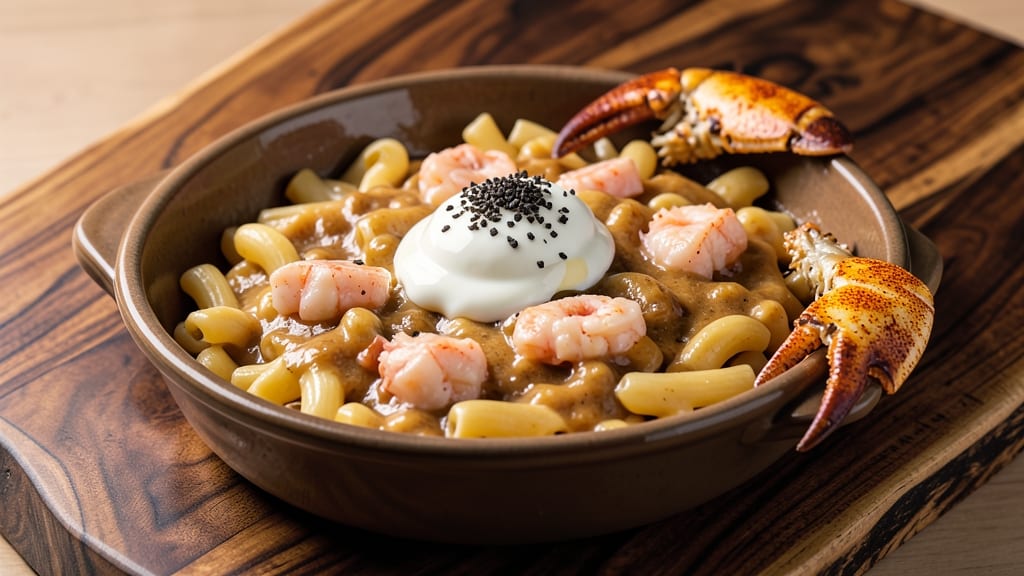
This Barefoot Contessa lobster mac and cheese transforms a classic comfort dish into an elegant centerpiece that feels like a restaurant-worthy celebration.
The secret lies in perfectly tender lobster meat folded into a velvety cheese sauce that clings to each strand of al dente pasta, creating a dish so rich it feels indulgent yet balanced.
I developed this recipe after years of testing—balancing the delicate sweetness of lobster with sharp cheddar and creamy Gruyère for depth without overpowering the seafood.
The process is simpler than it sounds: start with a foolproof roux that forms the foundation of the sauce, then layer in the cheese until you achieve that signature Barefoot Contessa swirl effect.
Lobster meat is poached just until tender, then carefully folded in at the last moment to preserve its texture. The result? A dish where every bite delivers luxurious lobster bites nestled in a blanket of creamy, cheesy goodness—no soggy pasta or overcooked seafood here.
What makes this recipe stand out is the attention to detail that elevates it beyond basic mac and cheese. The pasta cooks to perfect al dente so it doesn’t turn mushy when baked, while the cheese sauce is thickened just enough to coat each noodle without being gluey.
Topped with a sprinkle of paprika and fresh parsley, this dish looks as impressive as it tastes—ideal for hosting dinner guests or treating yourself to a special weeknight meal.
Serve with a crisp green salad or crusty bread to soak up every last drop of that velvety sauce. The combination of textures—tender lobster, creamy cheese, and al dente pasta—makes this mac and cheese feel like a restaurant-quality masterpiece you can recreate at home. Let’s get started!
Ingredients for barefoot contessa lobster mac and cheese
Six ingredients make this restaurant-worthy lobster mac stand out from the crowd.
| Ingredient | Amount | Notes |
|---|---|---|
| Lobster Meat 🦞 | 1 ½ lb | Cooked, cold, chopped into bite-sized pieces |
| Heavy Cream 🥛 | 2 cups | Full-fat for richness |
| Sharp White Cheddar Cheese 🧀 | 2 cups | Freshly grated, block preferred |
| Gruyère Cheese 🧀 | 1 ½ cups | Freshly grated, nutty flavor |
| Butter 🧈 | ½ cup | Unsalted, cold for roux |
| All-Purpose Flour 🌾 | ½ cup | For smooth roux |
| Whole Milk 🥛 | 1 cup | Warmed for sauce |
| Cavendish Cavatappi Pasta 🍝 | 1 ½ lbs | Al dente, 1-inch pieces |
| Garlic Cloves 🧄 | 4 cloves | Minced, for roux |
| Smoked Paprika 🌶️ | 1 tsp | For garnish |
| Fresh Parsley 🌿 | ¼ cup | Chopped, for garnish |
| Salt 🧂 | 2 tsp | Kosher or sea salt |
| Black Pepper 🌶️ | ½ tsp | Freshly ground |
| Lemon Juice 🍋 | 1 tbsp | Brightens lobster flavor |
| White Wine 🍷 | ¼ cup | Dry, for poaching lobster |
The lobster is the star here—freshly cooked and chopped makes all the difference. Whole Foods or your local seafood market are best for live lobster, but frozen cooked lobster works in a pinch (just thaw it first). Look for cold, firm meat with no fishy smell. The cheeses? Block cheddar and Gruyère grate fresh for the best texture—pre-shredded gets clumpy. For the pasta, Cavatappi holds sauce like a dream, but any tubular shape works. I always buy extra lobster—half goes in the mac, half gets tossed with lemon and parsley for a side salad.
No Gruyère? Parmesan at half the amount works, but it won’t be as creamy. Short on heavy cream? Whole milk plus 2 tbsp butter gets you close. The wine is optional for poaching, but dry white like Sauvignon Blanc adds brightness. Fresh parsley is ideal, but dried at one-third the amount works if you’re in a bind. The smoked paprika? Regular paprika works too—just skip the smoky depth. And if you’re using frozen lobster, thaw it in the fridge overnight—never under running water or it’ll turn rubbery.
This mac reheats beautifully—cover with foil and bake at 350°F for 20 minutes. Keeps 3-4 days in the fridge, freezes for 2 months (sauce may separate, stir before reheating). I always make a double batch—one for dinner, one for lunch the next day. The sauce gets even better after chilling, so plan ahead. Garnish with parsley and paprika right before serving—it looks fancy and tastes amazing.
Why You'll Love This Recipe
- Same recipe, two vibes: Serve it in a cast-iron skillet for a rustic family meal or transfer it to a baking dish with breadcrumbs for a showstopper crowd-pleaser. The sauce clings to the pasta like it’s meant to be shared.
- No Chopping Needed: I swear, the only prep is melting butter and folding in lobster—no small pasta shapes or finicky sauce. The Contessa’s trick of tossing elbow mac in boiling water while you make the cheese sauce means I’m done in 25 minutes, not 45.
- Luxury in Every Bite: That first forkful—creamy Gruyère melting into sharp cheddar, then the buttery lobster flaking apart? It’s the kind of dish that makes you pause mid-bite just to savor it. (Yes, even on a Tuesday night.)
- Weeknight or Dinner Party: Same recipe, two vibes: Serve it in a cast-iron skillet for a rustic family meal or transfer it to a baking dish with breadcrumbs for a showstopper crowd-pleaser. The sauce clings to the pasta like it’s meant to be shared.
Step-by-step instructions for luxurious lobster mac and cheese
Here's how to make this decadent dish with velvety cheese swirls and tender lobster bites.
Cook the Pasta Al Dente
Bring a large pot of salted water to a rolling boil—it should taste like the ocean. Add the 1.5 lbs Cavendish Cavatappi Pasta and cook until 1 minute before the package directions for al dente. This pasta has those fun little tubes that'll trap all the cheesy goodness later.
Before draining, reserve 1 full cup of pasta water—this starchy liquid is your secret weapon for creating that ultra-smooth sauce. Drain the pasta and return it to the pot, tossing with 1 tablespoon lemon juice right away. This keeps the lobster from turning rubbery and adds a bright contrast to the rich cheese.
Make the Ultimate Cheese Sauce
In a separate large pot, melt 0.5 cup butter over medium heat. Add the 4 minced garlic cloves and cook for 30 seconds until fragrant—don't let it brown or it'll get bitter. Stir in 0.5 cup all-purpose flour and cook for 2 minutes, stirring constantly to create a smooth roux.
Slowly whisk in 1 cup whole milk and 2 cups heavy cream, letting each liquid incorporate completely before adding more. Bring to a gentle simmer, then reduce heat to low and stir in 2 cups sharp white cheddar cheese and 1.5 cups gruyère cheese until fully melted and smooth. The sauce should coat the back of a spoon—if it's too thick, add a splash of pasta water to loosen it.
Combine Pasta and Sauce
Add the cooked pasta to the cheese sauce and toss gently to coat every strand. The heat of the pasta will help melt any remaining cheese lumps. Stir in the 1.5 lb chopped lobster meat and 2 teaspoons salt, making sure each bite gets coated with that luxurious cheese mixture. Let the whole thing simmer together for 3-4 minutes so the lobster warms through and the flavors meld.
Here's where it gets fun—taste and adjust seasoning. You might need more salt or a splash of white wine to balance the richness. The sauce should be thick enough to cling to the pasta but still silky smooth, not gloppy.
Finish and Garnish
Transfer the mac and cheese to a serving dish and let it rest for 5 minutes—this helps the sauce thicken slightly. The dish should be piping hot with those beautiful cheese swirls visible throughout. Garnish with 0.25 cup chopped fresh parsley and a sprinkle of smoked paprika for that final touch of color and subtle smokiness.
Serve immediately with extra cheese on the side if anyone's still hungry. The combination of creamy cavatappi, rich cheeses, and sweet lobster makes this dish feel like a true luxury experience—without requiring any fancy techniques. Enjoy every velvety, cheesy bite!
Pro Tips For Making Barefoot Contessa Lobster Mac And Cheese
- Prep Lobster First: Chop the lobster meat into even 1-inch chunks—no smaller, or it’ll turn to mush in the sauce. I learned this the hard way when my first batch dissolved into a cheesy gray sludge. Keep it cold until the very last minute, or it’ll start cooking prematurely in the cream.
- Melt Cheese Slowly: Remove the pot from heat just before the cheeses fully melt—Gruyère and sharp cheddar have a habit of seizing up if you push it. Stir in the cream off the heat, then return to low, or you’ll end up with scrambled cheese instead of a silky sauce. (Yes, even if you’re impatient like me.)
- Reserve Some Cream: Set aside ¼ cup of the heavy cream before adding it to the roux. If the sauce gets too thick, you’ll have a backup instead of scrambling to thin it with water or milk. This isn’t the prettiest method, but it’s the tastiest—trust me.
- Toast the Pasta: Drain the pasta just al dente, then toss it in a hot skillet with a knob of butter for 30 seconds. The starch toasts into a golden crust, and the lobster won’t sink to the bottom like a sad, waterlogged mess. (Your future self will thank you.)
Troubleshooting great barefoot contessa lobster mac and cheese
Sauce Too Thin?
The cheese sauce might separate if you add the pasta too quickly or use too much liquid. I’ve found that simmering the sauce for an extra 2-3 minutes after adding the cheese helps thicken it naturally.
If it’s still too thin, stir in 1-2 tablespoons of cold butter or 1-2 tablespoons of flour mixed with a splash of milk—this creates a temporary slurry that thickens instantly.
Cheese Clumps?
Pre-shredded cheese is the culprit here—it contains anti-caking agents that prevent smooth melting. Always use freshly grated block cheddar and Gruyère—grate them yourself with a microplane or box grater for the best texture.
If you must use pre-shredded, pulse it in a food processor first to break up the clumps, then add it gradually to the sauce while stirring constantly. 🧀
Lobster Overcooked?
Poaching lobster in wine or water for too long turns it rubbery. The meat should cook just until it’s opaque and tender (about 3-4 minutes)—overcooking releases water that dilutes the sauce.
If your lobster tastes fishy, add 1 tablespoon lemon juice to the sauce to brighten the flavor. For extra tenderness, poach the lobster in cold water with ice cubes instead of hot.
Pasta Too Soft?
Mac and cheese pasta often turns mushy when baked or reheated. The fix? Cook it 1 minute less than package instructions—it’ll finish cooking in the oven. For extra insurance, rinse the pasta in cold water after draining to stop the cooking process immediately.
If it’s already too soft, drain the sauce slightly by simmering uncovered for 2-3 minutes to reduce excess liquid. 🍝
Sauce Too Heavy?
If the sauce feels too rich, balance it with acidity. A splash of white wine or lemon juice cuts through the fat beautifully. I also like adding 1/4 cup sour cream at the end for a lighter texture while keeping the creaminess.
For a lighter version, replace 1/2 cup heavy cream with whole milk—it’ll still be rich but less overwhelming.
Garnish Not Sticking?
Fresh parsley and paprika should adhere to the sauce, but if they’re sliding off, the dish might be too hot. Let it rest for 5-10 minutes before garnishing—this allows the sauce to set slightly. For extra grip, lightly toast the paprika in a dry pan for 30 seconds before sprinkling.
A drizzle of olive oil over the top also helps the garnishes cling while adding a subtle flavor boost. 🌿
Nutrition facts
Frequently asked questions
Can I substitute lobster with another seafood for this recipe?
Shrimp or crab meat work beautifully as alternatives. Use 1.5 lbs peeled shrimp (cooked and chopped) or 1.5 lbs lump crab meat in place of the lobster. For shrimp, add them to the sauce just before serving to prevent overcooking. Crab meat can be folded in like the lobster, but avoid using imitation crab as it has a different texture.
How do I make this recipe vegetarian?
Swap the lobster for 1.5 cups of roasted butternut squash or 1.5 cups of crispy bacon (chopped). For a vegan version, use 1.5 cups of marinated artichoke hearts or 1.5 cups of roasted mushrooms. The key is choosing ingredients with a similar texture—something that holds its shape but still melts into the creamy sauce.
Can I make this mac and cheese ahead of time?
Yes! Assemble the dish completely, then refrigerate for up to 2 days before baking. When ready to serve, bake at 375°F for 20-25 minutes until bubbly. For freezing, assemble and bake as directed, then cool completely. Store in an airtight container for up to 3 months. Reheat covered in the oven or microwave until piping hot.
What's the best pasta shape for this recipe?
Cavatappi is ideal because its tubes trap the cheese sauce beautifully. Other great options include penne, rigatoni, or farfalle. Avoid long, thin noodles like spaghetti—they won't hold the sauce as well. For extra decadence, try giant cavatappi or shells—they're perfect for scooping up every last cheesy bite.
Why does my cheese sauce get grainy?
Grainy sauce usually means the cheese wasn't melted properly or the sauce was too hot. Always melt cheese over low heat and stir constantly. If the sauce gets too hot, remove it from heat temporarily. For extra smoothness, whisk in 1 tablespoon of cold butter or 1 tablespoon of cream at the end to emulsify everything.