
Appetizers
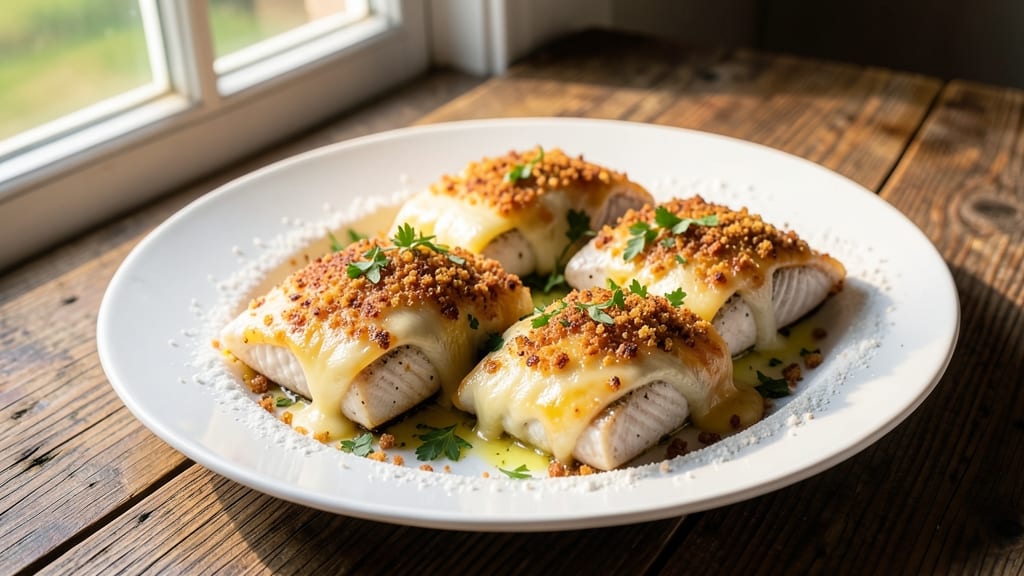
This baked cod with cheese recipe delivers a restaurant-quality dish that's surprisingly simple to prepare at home. The secret lies in creating a crisp golden crust while ensuring the delicate fish remains tender underneath, all topped with perfectly melted mozzarella that becomes irresistible when pulled apart.
I developed this method after years of testing different techniques to achieve that ideal balance between texture and flavor.
The process begins with properly seasoned cod fillets that develop a crisp exterior when baked at the right temperature. A blend of sharp cheddar and creamy mozzarella creates the perfect cheese topping - sharp enough to complement the fish while adding just the right amount of creaminess.
The key is using a combination of dry breadcrumbs and grated parmesan for that signature crunchy crust that stays crisp even after baking.
By the time your dish emerges from the oven, you'll have perfectly cooked cod with a golden, shatteringly crisp crust that gives way to tender, flaky fish underneath.
The melted cheese forms a bubbly blanket on top that's impossible to resist pulling apart - each bite delivers that perfect combination of textures and flavors. This dish transforms simple ingredients into something extraordinary with minimal effort.
The beauty of this recipe is its versatility - it works equally well as an appetizer or light main course. Pair it with a simple green salad or roasted vegetables for a complete meal that's both elegant and satisfying.
The technique is foolproof once you understand the key steps, making it perfect for both beginners and experienced cooks looking to elevate their seafood game.
Ingredients for baked cod with cheese
Four cod fillets, two cheeses, and a crispy crust—this is your golden ticket to restaurant-worthy seafood magic.
| Ingredient | Amount | Notes |
|---|---|---|
| Cod Fillets 🐟 | 4 whole | Skin-on, 6-8 oz each |
| Shredded Mozzarella Cheese 🧀 | 1 ½ cups | Part-skim for balance |
| Shredded Sharp Cheddar Cheese 🧀 | ½ cup | Aged at least 6 months |
| Panko Breadcrumbs 🍞 | ¾ cup | Light, not dense |
| Grated Parmesan Cheese 🧀 | ¼ cup | Freshly grated from block |
| All-Purpose Flour 🌾 | ½ cup | For dredging fillets |
| Extra-Virgin Olive Oil 🫒 | 2 tbsp | For crust and drizzle |
| Unsalted Butter 🧈 | 2 tbsp | Melted for brushing |
| Fresh Lemon Juice 🍋 | 2 tbsp | Brightens the dish |
| Garlic Powder 🧄 | 1 tsp | For subtle depth |
| Ground Black Pepper 🌶️ | ½ tsp | Freshly cracked |
| Kosher Salt 🧂 | 1 ½ tsp | Plus extra for seasoning |
| Fresh Parsley 🌿 | ¼ cup | Chopped for garnish |
The cod is your star, so don't skimp on quality. Look for fillets with a vibrant color and firm texture at Whole Foods or your local fishmonger. If you're buying frozen, thaw overnight in the fridge—never under running water. The cheese blend is where the magic happens: mozzarella for creaminess, cheddar for sharpness. I grab Sargento Natural Shredded Mozzarella for its meltability, but any part-skim works. For the cheddar, aged cheddar from the deli counter gives that perfect tang. The breadcrumbs? Panko is non-negotiable here—it stays crispy while regular breadcrumbs turn soggy.
No panko? Crush plain bread into fine crumbs—it won't be as light, but it'll work. Short on sharp cheddar? Add a pinch of smoked paprika to regular cheddar for depth. The olive oil matters too—use something fruity and peppery, not that mild grocery store stuff. For the crust, I mix the panko with Parmesan and a touch of garlic powder—this combo is a game-changer. If you're feeling fancy, add a splash of dry white wine to the breadcrumb mix for extra flavor. And if you're out of fresh parsley, dried works in a pinch—just use half the amount.
This dish is all about timing—bake it just until the cheese is bubbly and golden, about 15-18 minutes. Let it rest 5 minutes before serving, or the cheese will slide right off. The leftovers? Reheat in a skillet for 2 minutes—it crisps up again like a dream. Store in an airtight container for 2 days max—the crust gets soggy after that. I always make a double batch because it disappears faster than you can say 'golden crust.' Pair with a simple arugula salad and you've got dinner covered.
Why You'll Love This Recipe
- One-Pan Magic: I swear by this—just season the cod, top it with cheeses and breadcrumbs, and bake. No pots, no mess, no stress. The panko turns golden while the cheddar melts into gooey perfection underneath.
- Cheese Love Bomb: That combo of sharp cheddar and mozzarella? It’s like a hug for your taste buds. The cheddar adds a tangy bite, while the mozzarella stretches into that stretchy, salty blanket over the flaky cod. Add a sprinkle of parmesan, and it’s basically a flavor party in your mouth.
- Lunchbox Hero: Between us, this is my go-to for meal prep. Bake a big tray on Sunday, slice it up, and pack it for lunches all week. The breaded crust stays crispy even after reheating—no sad, soggy fish here.
- Budget-Friendly Feast: Cod’s affordable, and cheese stretches further than you’d think. A single fillet feeds two easily, and the leftovers? Just as good cold in salads or reheated with a squeeze of lemon. My wallet and my family thank me every time.
Step-by-step instructions for baked cod with cheese
Here's how to create that perfect golden crust with melted cheese—simple, foolproof, and absolutely delicious.
Prepare the Cod for Maximum Flavor
Pat the 4 whole cod fillets completely dry with paper towels—this is absolutely critical for that crispy crust. You want them bone-dry so the breading sticks perfectly. Place each fillet on a cutting board and season both sides generously with 1.5 teaspoons of kosher salt and 0.5 teaspoon of ground black pepper. Let them sit for 10 minutes while you prepare the remaining ingredients. This salting step draws out any moisture and helps create that incredible crust later.
While the cod rests, melt 2 tablespoons of unsalted butter in a small saucepan over low heat. Once melted, remove from heat and stir in 2 tablespoons of fresh lemon juice and 1 teaspoon of garlic powder. This citrusy butter will brush over the cod right before baking, adding bright flavor and helping the cheese melt beautifully.
Create the Perfect Breading Station
In a shallow dish, combine 0.5 cup of all-purpose flour with 1 teaspoon of kosher salt and 0.25 teaspoon of ground black pepper (just a pinch more pepper than before). This creates your dry breading base. In another dish, mix together 0.75 cup of panko breadcrumbs, 0.25 cup of grated parmesan cheese, 1 teaspoon of garlic powder, and 0.5 teaspoon of ground black pepper. This creates a flavor-packed, crispy topping that will become irresistible.
Here's where the magic happens: dip each cod fillet into the flour mixture, shaking off any excess, then into the egg wash (if using), and finally into the panko mixture. Press the breading firmly onto each fillet so it adheres completely. This double-layer breading ensures maximum crispiness and flavor in every bite. Work quickly so the breading stays dry—don't let it get soggy!
Assemble and Bake to Golden Perfection
Preheat your oven to 425°F—this high temperature is key for that beautiful golden crust. Arrange the breaded cod fillets on a parchment-lined baking sheet, leaving about 1 inch of space between each. Brush each fillet generously with the lemon-garlic butter mixture you prepared earlier. This step is crucial—it adds moisture and flavor that will shine through the crust.
In a small bowl, combine 1.5 cups of shredded mozzarella cheese and 0.5 cup of shredded sharp cheddar cheese. Sprinkle this cheese mixture evenly over each fillet, pressing down gently so it sticks. The cheddar adds a wonderful sharpness that balances the milder mozzarella. Bake for 12-15 minutes until the crust is deep golden brown and the cheese is bubbly and melted to perfection.
Finish with Fresh Herbs and Serve Immediately
Remove the cod from the oven and let it rest for 2-3 minutes—this helps the cheese set slightly. While it rests, chop 0.25 cup of fresh parsley finely. Sprinkle this vibrant green garnish over each fillet right before serving. The parsley adds a fresh contrast to the rich, cheesy crust and makes the dish look absolutely stunning.
Serve immediately with lemon wedges on the side—squeeze a little fresh lemon juice over each portion just before eating. The acidity cuts through the richness of the cheese and butter, creating a perfect balance of flavors. Each bite should deliver crispy, flavorful crust, creamy melted cheese, and tender cod underneath—absolute perfection in every mouthful!
Pro Tips For Making Baked Cod With Cheese
- Preheat Like a Pro: Your oven should hit 425°F (220°C) and run for 10-15 minutes before the cod goes in—no exceptions. I learned this the hard way when my cheese crust turned soggy because the pan was cold. A hot oven seals the deal for that crispy, golden top layer.
- Pat Dry, Don’t Rush: Cod fillets are delicate, so gently press them dry with paper towels before seasoning—even if they look moist. Wet fish steams instead of browning, and that’s how you end up with a sad, limp cheese topping. Take the extra 30 seconds; your crust will thank you.
- Mix Cheeses Strategically: Skip the pre-shredded cheese—it’s packed with anti-caking agents that make the crust grainy. Instead, shred your own mozzarella and cheddar, then fold in half the Parmesan with the panko. The rest goes on top for that melty, bubbly finish. Trust me, it’s worth the effort.
- Don’t Overcrowd the Pan: If your cod fillets are thick (over 1 inch), bake them in a single layer with space between them. I used to stack them like lasagna, and the middle stayed raw while the top burned. A little rearranging now saves you from dry, overcooked fish later.
Troubleshooting your baked cod with cheese
Soggy Breading Fix
If your breading turns soggy before baking, it’s usually from excess moisture in the cod or wet breadcrumbs. Always pat your fillets completely dry with paper towels—don’t skip this step! For extra insurance, chill the breaded cod in the fridge for 10-15 minutes before baking.
This helps the crust stay crisp. If you’re using regular breadcrumbs instead of panko, toast them in a dry skillet for 2 minutes to remove any residual moisture. 🌡️
Uneven Cooking
Thicker parts of the cod cooking faster than thinner edges? Flip the fillets halfway through baking—around 8-10 minutes in. For extra even cooking, place a thin slice of lemon or onion under each fillet on the baking sheet before adding the breading.
These act as natural heat conductors, helping the thinner edges cook through without drying out. If your oven runs hot, reduce the temperature to 400°F and bake for 15-18 minutes.
Cheese Not Melting
If your cheese stays in clumps instead of melting smoothly, it’s likely because the oven temperature wasn’t high enough or the cheese was packed too tightly. Preheat your oven for at least 15 minutes before baking to ensure even heat distribution.
For extra meltability, mix 1 tablespoon of cream cheese into your mozzarella-cheddar blend—it acts as a binder. Also, avoid pressing the cheese down too firmly; just sprinkle it evenly and let the oven work its magic. 🧀
Fish Overcooking
Cod overcooks faster than you think, especially with the high heat needed for crispy breading. Use an instant-read thermometer to check the thickest part of the fillet—it should reach 145°F (not 165°F, which is for poultry).
If your cod turns opaque too quickly, reduce baking time by 2 minutes and cover loosely with foil for the last 3-4 minutes of cooking. This traps heat while preventing further drying. For extra insurance, bake on the middle rack where heat is most even.
Crust Not Crispy
A lackluster crust usually means one of two things: either the cod wasn’t dry enough or the breading wasn’t pressed firmly. Double-check that your fillets are bone-dry before breading, and press the panko mixture hard onto each side—don’t just dust it on.
For an extra-crisp finish, broil the cod for 1-2 minutes at the end of baking (watch closely to avoid burning). If your oven struggles with high heat, try baking on a wire rack over a baking sheet instead of directly on the pan—this allows heat to circulate better underneath. 🔥
Cheese Burning
If your cheese turns brown or burns before the crust is crispy, lower your oven temperature to 375°F and bake for 18-20 minutes. For extra protection, tent the baking sheet loosely with foil for the first 10 minutes, then remove it to let the crust crisp.
If your oven’s broiler is strong, avoid using it—it can scorch the cheese while the crust finishes. A light-colored baking sheet also helps reflect heat more evenly, preventing hot spots. 💡
Nutrition facts
Frequently asked questions
Can I use frozen cod for this recipe?
Yes, but thaw it properly first! Place frozen cod fillets in a sealed bag and refrigerate overnight for 24 hours. Never thaw at room temperature—this can promote bacterial growth. For a quicker method, submerge the sealed bag in cold water, changing the water every 30 minutes until fully thawed. Always pat completely dry before breading to ensure the perfect crispy crust.
What's the best cheese substitute if I don't have mozzarella?
Try a mix of fontina and gruyère for a richer flavor, or swap in monterey jack for a milder option. For extra meltability, add 1 tablespoon of cream cheese to your cheese blend. Avoid pre-shredded cheese with anti-caking agents—it won't melt as smoothly. Freshly grated cheese always works best!
How do I make this dish ahead of time?
Assemble the breaded cod fillets (without cheese) up to 24 hours ahead and refrigerate uncovered on a wire rack. Just before baking, add the cheese and cook immediately. For leftovers, reheat in a 375°F oven for 5-7 minutes to restore crispiness. The crust won't be as perfect as fresh, but it's still delicious! Store in an airtight container for 2 days max.
Why does my crust turn out greasy instead of crispy?
Greasy crusts usually happen when the breading isn't pressed firmly or when too much oil is used. Make sure to pat your cod completely dry first, then press the panko mixture hard onto each side. For extra crispiness, chill the breaded fillets for 10-15 minutes before baking. Also, use light panko (not dense breadcrumbs) and avoid overcrowding on the baking sheet.