
Appetizers
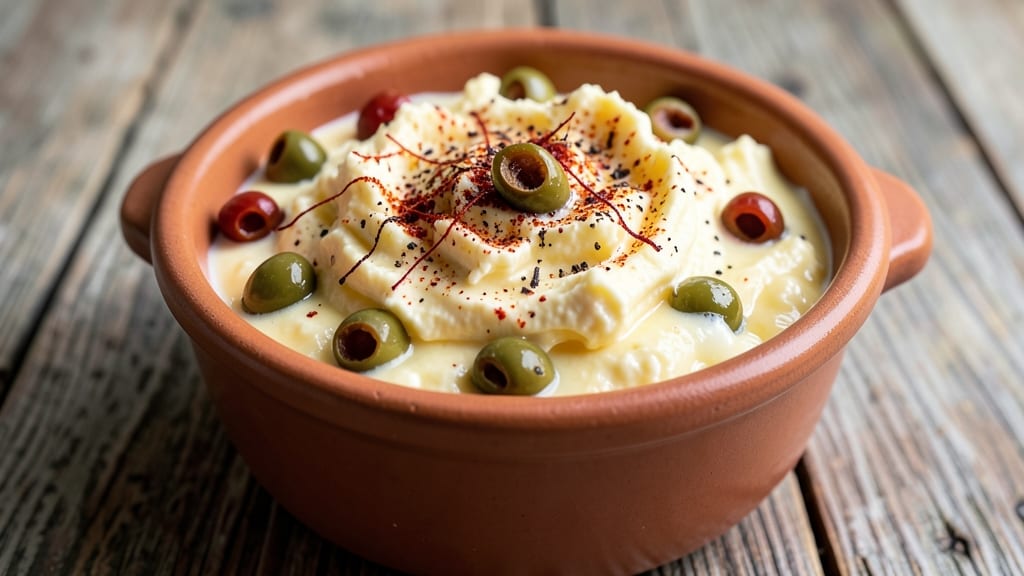
This authentic Southern pimento cheese recipe delivers the smoky, tangy, and perfectly creamy spread that defines Southern comfort food. The secret lies in balancing sharp cheddar with pimento-stuffed olives and just the right amount of cayenne for that signature kick.
I've perfected this over years of testing, ensuring every batch captures that true Southern flavor without being overly spicy or too mild.
The base of great pimento cheese starts with sharp cheddar cheese, which provides the necessary tang and body. Pimento-stuffed olives contribute both color and a subtle sweetness that rounds out the sharpness of the cheese.
A touch of cayenne adds warmth, while a splash of buttermilk or mayonnaise ensures the perfect creamy texture that makes this spread irresistible on sandwiches or as a dip.
What you'll end up with is a smooth, velvety spread that's rich enough to stand alone but versatile enough to elevate any dish. The flavor develops as it sits, becoming even more complex and satisfying.
This isn't just a condiment—it's a flavor experience that transforms simple sandwiches into something extraordinary or turns a platter of crackers into a crowd-pleasing appetizer.
Use it as a sandwich spread for po' boys or grilled cheese, as a dip for fresh vegetables or crackers, or even as a topping for baked potatoes. The possibilities are endless, and the flavor only gets better with time.
Let's get started on creating this classic Southern staple that brings warmth and tradition to every bite.
Ingredients for authentic southern pimento cheese
Nine simple ingredients transform into the soulful Southern spread you crave.
| Ingredient | Amount | Notes |
|---|---|---|
| Sharp White Cheddar Cheese 🧀 | 2 cups | Freshly grated from block |
| Pimento-Stuffed Green Olives 🫒 | ½ cup | Pitted and chopped fine |
| Mayonnaise 🥛 | ¼ cup | Full-fat preferred for creaminess |
| Buttermilk 🥛 | ¼ cup | Or substitute sour cream |
| Cayenne Pepper 🔥 | ½ tsp | Adjust for desired heat |
| Ground Black Pepper 🌶️ | ½ tsp | Freshly ground preferred |
| Garlic Powder 🧄 | ½ tsp | For subtle depth |
| Kosher Salt 🧂 | ½ tsp | Adjust to taste |
| Smoked Paprika 🌶️ | ¼ tsp | For authentic smokiness |
The cheddar is non-negotiable—sharp white cheddar from a block (not pre-shredded) gives that perfect tang. Whole Foods or local cheese shops usually carry the best blocks, but any well-aged cheddar works. Pimento olives? Look for green olives stuffed with pimentos—not the red ones. They’re sweeter and pack more color. The mayonnaise and buttermilk combo is key for that classic Southern creaminess—Duke’s or Hellmann’s for mayo, and any brand buttermilk will do. Skip the pre-mixed stuff; this tastes nothing like it.
No pimento olives? Sun-dried tomatoes at half the amount add sweetness, but you’ll lose that signature Southern color. Short on buttermilk? Plain Greek yogurt works too, though it’ll be tangier. Want more smokiness? Add a pinch of smoked salt along with the paprika. The cayenne is where you control the heat—start with half a teaspoon and taste as you go. If you’re using pre-shredded cheese, drain it first to avoid excess moisture. And for the love of Southern food, don’t skip the garlic powder—it’s what makes this taste like home.
This keeps beautifully in the fridge for 1 week, and honestly, it tastes even better the next day as the flavors meld. Store it in an airtight container with a layer of plastic wrap pressed right on top to prevent a skin from forming. For longer storage, portion into small jars and freeze for up to 3 months. Just let it sit at room temperature for 10 minutes before spreading—it’ll be silky smooth. Leftovers? Slather it on crackers, spoon it onto deviled eggs, or use it as a dip for fresh veggies. Trust me, it disappears fast.
Why You'll Love This Recipe
- Five-Ingredient Magic: I swear, this recipe has five ingredients—plus a few minutes of mixing. That’s it. No fancy techniques, no last-minute grocery runs. Just shred some cheese, chop olives, and let the mayo and buttermilk do the work while you sip sweet tea.
- Tangy Heat Payoff: The sharp cheddar and pimento olives give it that classic Southern punch, but the cayenne? Oh, it’s subtle enough to tease without overpowering. Honestly, the first bite makes me reach for another cracker—it’s that good.
- Party Host Hack: Spread it on biscuits for brunch, dollop it on sliders for tailgates, or serve it in a bowl with crackers when friends drop by. I’ve used it for everything from potlucks to lazy Sunday mornings, and no one’s ever questioned the choice.
- Leftovers That Don’t Suck: Unlike most dips, pimento cheese actually improves after sitting overnight. The flavors meld, the texture smooths out—perfect for quick lunches or last-minute sandwich fillings. I keep a jar in my fridge for emergencies, and trust me, it’s always empty by Wednesday.
Step-by-step instructions for authentic Southern pimento cheese
Here's how to make the real deal—creamy, tangy, and packed with Southern flavor.
Grate the Cheese Fresh for Maximum Flavor
Start with the sharp white cheddar cheese—this is where authenticity begins. Use a box grater to freshly grate 2 cups of the cheese from a block, not pre-shredded. Pre-shredded cheese contains anti-caking agents that make the final spread grainy. Work in batches if needed, and let the grated cheese sit at room temperature for 10 minutes to soften slightly.
While waiting, give the cheese a taste. If it's too sharp, add a pinch of the kosher salt now to balance the flavor. The goal is a mild, creamy base that lets the other ingredients shine. Don't skip this step—freshly grated cheese makes all the difference in texture and taste.
Mix the Wet Ingredients for Creaminess
In a medium bowl, combine the 0.25 cup mayonnaise and 0.25 cup buttermilk. Stir well until fully blended. The buttermilk adds a subtle tang that cuts through the richness of the cheese, while the mayo binds everything together. If you're using sour cream as a substitute, add it now instead of the buttermilk.
Here's the thing—don't rush this mixing. Let the ingredients sit for 2 minutes before adding the cheese. This gives the buttermilk time to slightly thicken, which helps create that signature Southern pimento cheese consistency. You want a smooth, spreadable base before incorporating the cheese.
Combine Cheese and Seasonings
Add the freshly grated cheese to the mayo-buttermilk mixture. Stir gently with a rubber spatula, folding the cheese in until fully incorporated. You'll notice the mixture will look slightly curdled at first—that's normal. Keep stirring until it smooths out, which should take about 3-4 minutes of steady work.
Now add the 0.5 cup finely chopped pimento-stuffed green olives, 0.5 tsp garlic powder, 0.5 tsp ground black pepper, 0.5 tsp cayenne pepper, and 0.25 tsp smoked paprika. Mix well to distribute the seasonings evenly. The olives add a briny, slightly sweet contrast to the sharp cheese, while the smoked paprika gives that authentic Southern smokiness you can't get any other way.
Chill for Perfect Texture
Cover the bowl with plastic wrap and refrigerate for at least 2 hours, or up to 24 hours for best results. This chilling time is crucial—it allows all the flavors to meld together and the texture to become perfectly smooth and spreadable. Real talk: Skipping this step means you'll end up with a cheese that's too soft and melty, not that ideal firm-but-creamy consistency.
When you're ready to serve, give it one last stir. The pimento cheese should be thick enough to hold its shape on a spoon but still spreadable. If it's too thick after chilling, add 1 teaspoon of buttermilk at a time until you reach the right consistency. The perfect spread should cling to sandwich bread without being runny.
Serve and Enjoy Immediately
This spread is best enjoyed fresh from the fridge. Use it on classic Southern sandwiches like fried chicken or po'boys, as a dip with crackers or veggies, or even as a topping for baked potatoes. The flavors develop over time, so if you're making this ahead, wait until just before serving to give it that final taste test and adjustment.
For extra authenticity, serve it slightly cold—this brings out the flavors even more. Store any leftovers in an airtight container in the refrigerator for up to 5 days. The longer it sits, the more the flavors meld, but it won't be quite as creamy as when you first make it.
Pro Tips For Making Authentic Southern Pimento Cheese
- Grate the Cheese Coarse: Sharp white cheddar loses its bite when over-shredded—stop midway and tear the rest into chunks. The texture stays firm, not mushy, and those bigger bits make every bite richer (yes, even if it looks uneven).
- Drain Olives Twice: Pimento olives hold more brine than you think. After the first drain, nestle them in a paper towel-lined sieve and press gently with a spoon—this cuts the moisture that’ll turn your spread into a sad, watery paste.
- Whisk the Buttermilk: Stirring buttermilk by hand leaves lumps that never fully dissolve. Use a fork or small whisk to break up the curds first, then let it sit for 5 minutes before mixing—this guarantees a smooth, tangy base, not a clumpy mess.
- Add Cayenne Last: Taste as you go, but save the cayenne until the very end. Mixing it early burns off its heat, and you’ll end up guessing how much to add. A pinch now lets you dial in the kick without overdoing it.
Essential equipment for great authentic southern pimento cheese
Cheese Grater Essentials
Skip the pre-shredded cheese—it’s packed with anti-caking agents that ruin texture. Invest in a box grater with medium holes, like the Microplane or OXO Good Grips models. These give you the finest, most even shreds without clumping.
For larger batches, a hand-crank cheese grater (such as the Norpro) saves time and effort. Always grate over a bowl to catch every bit of cheese—none should go to waste! 🧀
Mixing Tools Matter
A rubber spatula is non-negotiable for blending pimento cheese. I recommend a silicone spatula with a flexible edge—it’s gentle on bowls and won’t scratch. For the initial mixing, a medium-sized mixing bowl (like a Pyrex or CorningWare) holds everything well.
If you’re making this in a food processor, pulse briefly to avoid overheating—overmixing turns it grainy. Hand-mixing gives you more control over texture, so I prefer it for authenticity.
Storage Containers
Store your pimento cheese in airtight glass containers—I love Mason jars or Owens Good Grips with snap-on lids. Press plastic wrap directly on the surface to prevent a skin from forming.
For longer storage, portion into small jars (like Ball canning jars) and freeze for up to 3 months. The glass keeps flavors sealed in better than plastic, and it’s easier to see when the cheese starts to separate. Label with the date—trust me, you’ll forget!
Optional: Food Processor
If you’re short on time, a food processor (like the Cuisinart DLC-2BC) speeds up the process. Pulse the cheese in 1-second bursts to avoid melting it. Add the wet ingredients first, then pulse in the cheese and seasonings.
Stop as soon as it’s combined—overprocessing turns it into cheese sauce. For the best results, still let it chill for 2 hours afterward to set properly. ⚡
Serving Utensils
Serve your pimento cheese with a small offset spatula or a butter knife—these help scoop it neatly without making a mess. For dips, a ceramic crock (like Le Creuset) keeps it cold and adds a rustic touch.
If you’re using it as a sandwich spread, a sharp knife with a serrated edge (like the Mercer Culinary Genesis) cuts through bread cleanly. The right tools make all the difference in presentation!
Nutrition facts
Frequently asked questions about Southern pimento cheese
Why does authentic pimento cheese need to chill before serving?
The chilling step is crucial for achieving the perfect firm-but-creamy texture. When refrigerated for at least 2 hours, the fats in the cheese firm up slightly, creating that signature spreadable consistency instead of a melty mess. This also lets all the flavors meld together for a more cohesive taste. Skipping this step often results in a cheese that's too soft or even runny.
Can I substitute buttermilk with something else?
Yes! You can use plain Greek yogurt (full-fat works best) or sour cream as a 1:1 substitute. Both add tanginess, though Greek yogurt will make the spread slightly thicker. For a tangier profile, try 1 tablespoon of lemon juice mixed with 0.25 cup milk instead. Just remember that buttermilk's natural acidity helps balance the cheese's sharpness.
What's the best way to store leftover pimento cheese?
Store in an airtight glass container with plastic wrap pressed directly on the surface to prevent a skin from forming. It keeps well in the fridge for 5-7 days, with flavors actually improving slightly over time. For longer storage, portion into small jars and freeze for up to 3 months. Always let it sit at room temperature for 10 minutes before using to restore its smooth texture.
How can I make my pimento cheese less spicy?
If your batch is too hot, reduce the cayenne in future batches to ¼ teaspoon or omit it entirely. For immediate relief, stir in 1 teaspoon of honey or sugar to balance the heat. You can also add 1 extra tablespoon of buttermilk, which naturally mellows the spice. The olives' natural sweetness also helps counteract heat, so using more of them can subtly reduce the perceived spiciness.
What are the best ways to use pimento cheese beyond sandwiches?
Try it as a dip for veggies, crackers, or pretzel bites. Mix it into deviled eggs for a Southern twist, or spread it on toasted baguette slices with smoked salmon. It also makes an amazing topping for baked potatoes or stuffed into hollowed-out tomatoes. For a fun appetizer, pipe it onto toasted bread rounds and bake until golden. The possibilities are endless!