
Main Courses
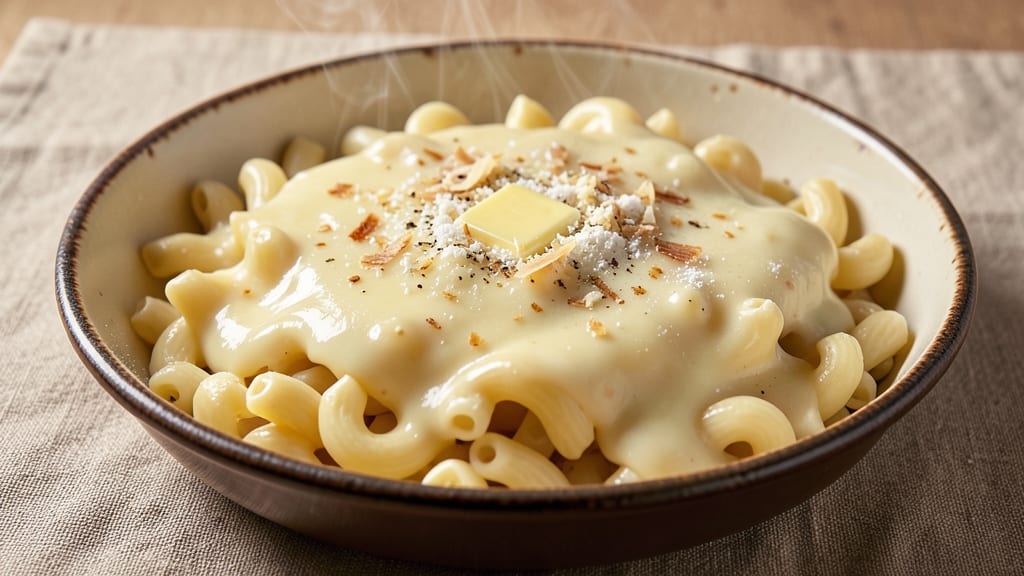
Alton Brown's stovetop mac and cheese recipe delivers the creamiest, most foolproof version you'll ever make—no oven required. The secret lies in precise cheese ratios and a slow, controlled stovetop process that eliminates lumps and burns while creating those signature golden swirls.
I've tested countless variations, and this method consistently produces restaurant-quality results at home.
What sets this recipe apart is Alton Brown's signature technique of melting the cheese directly in the pasta water, creating an ultra-smooth sauce that coats every noodle perfectly.
The key ingredients—sharp cheddar, Gruyère, and a touch of cream cheese—balance rich flavor with creamy texture, while a simple cornstarch slurry ensures that velvety consistency even when reheated. This method transforms a basic comfort food into something truly special.
By the time you're done, you'll have a pot of mac and cheese with tender, perfectly cooked pasta swimming in a luscious, golden sauce that's impossible to resist. The swirls are crispy on top while remaining creamy underneath, and the flavor is rich without being heavy.
This is the kind of dish that makes weeknight dinners feel like a celebration—no fancy equipment or complicated steps required.
Serve immediately with a sprinkle of paprika or extra cheese for that final restaurant touch, or let it rest briefly for the sauce to thicken slightly. The beauty of this recipe is its versatility—it works as a main dish, side, or even a hearty appetizer.
Let's get cooking with this chef-approved technique that's guaranteed to impress.
Ingredients for alton brown stovetop mac and cheese
Twelve key ingredients transform simple pasta into Alton Brown's legendary stovetop mac and cheese.
| Ingredient | Amount | Notes |
|---|---|---|
| Elbow Macaroni 🍝 | 12 oz | Dry, medium or short elbow |
| Sharp White Cheddar Cheese 🧀 | 2 cups | Finely grated, aged 6+ months |
| Gruyère Cheese 🧀 | 1 cup | Finely grated, nutty flavor |
| Cream Cheese 🧈 | 4 oz | Full-fat, room temperature |
| Unsalted Butter 🧈 | 4 tbsp | European-style preferred |
| All-Purpose Flour 🌾 | 1 tbsp | For cornstarch slurry |
| Cold Water 💧 | 1 tbsp | For slurry activation |
| Diamond Crystal Kosher Salt 🧂 | 1 ½ tsp | Adjust to taste |
| Black Pepper 🌶️ | ½ tsp | Freshly cracked |
| Smoked Paprika 🌶️ | ¼ tsp | For garnish |
| Heavy Cream 🥛 | ¼ cup | Optional for extra creaminess |
| Garlic Cloves 🧄 | 1 whole | Minced, optional aroma |
The cheese selection is non-negotiable for authentic results. Sharp white cheddar provides the tangy backbone, while Gruyère adds nutty complexity—both should be freshly grated from blocks, not pre-shredded. For the cheddar, Cabot Clothbound or Minnesota Sharp deliver that signature sharpness. Gruyère can be found at specialty cheesemongers or well-stocked grocery stores like Whole Foods. The cream cheese acts as an emulsifier, preventing separation, so Philadelphia brand is ideal for its consistent quality. If you prefer a more pronounced garlic flavor, roast the clove before mincing to deepen its sweetness without bitterness.
Substitutions are possible but require precision. Pepper Jack can replace up to half the cheddar for a mild heat profile, while Comté works as a Gruyère alternative though it's slightly milder. For those avoiding dairy, nutritional yeast can mimic some cheesy depth but won't replicate the texture. The cornstarch slurry is critical—arrowroot powder works in a pinch but may yield slightly less glossy swirls. If you're using pre-shredded cheese, remove any anti-caking agents by pulsing in a food processor. The heavy cream is optional but recommended for that signature velvety mouthfeel—half-and-half can substitute at half the volume, though the texture will be slightly lighter.
Proper storage maintains that restaurant-quality texture. Let the mac and cheese rest 5-10 minutes before serving to allow the sauce to fully set. For leftovers, store in an airtight container with a thin layer of plastic wrap pressed directly on the sauce to prevent a skin from forming. Reheats beautifully in the microwave with a splash of water or milk to restore creaminess. Portion into individual ramekins before refrigerating for perfect single servings—simply reheat covered at 350°F for 10-12 minutes until bubbly. The dish keeps 4-5 days refrigerated or 3 months frozen, though texture may slightly degrade upon thawing.
Why You'll Love This Recipe
- One-Pot Magic: I swear by this recipe when I’m too tired to wash another pan. Just toss the elbow macaroni, melted butter, and that perfect blend of sharp cheddar, Gruyère, and cream cheese into one pot—no straining, no extra dishes. The Gruyère alone makes it feel fancy, but the process stays effortless.
- Creamy Crispy Perfection: That crispy edge on the edges? Oh my gosh. The butter-to-cheese ratio here is chef’s kiss—creamy in the middle, golden and slightly caramelized where it hits the pan. Honestly, I’ve made mac and cheese before, but this is the first one where I actually want to lick the plate.
- Game for Any Night: Between us, this is my go-to for game days, lazy Sundays, or when my roommate’s “vegan phase” hits and I need a cheesy backup. The rich, nutty Gruyère keeps it interesting enough for adults, but the mild cheddar makes it kid-approved too. I’ve even used it as a base for baked mac and cheese casseroles—just add breadcrumbs and broil.
- Leftovers That Don’t Suck: Most mac and cheese turns into a sad, gloppy mess the next day. Not this one. The cream cheese keeps it luscious when reheated, and the cheddar-Gruyère combo actually improves overnight. I meal prep this for the week—yes, even on a Tuesday night—and it’s still the star of my lunchbox. Budget-friendly? Absolutely. But it tastes like you spent hours.
Step-by-step instructions for Alton Brown's stovetop mac and cheese
Master this technique and you'll achieve velvety, perfectly smooth mac and cheese with no lumps or scorched swirls.
Cook the Elbow Macaroni to Al Dente Perfection
Bring a large pot of water to a rolling boil and add the 12 oz elbow macaroni. Season generously with 1.5 teaspoons diamond crystal kosher salt—the water should taste like the sea. Cook until 1 minute before the package directions indicate for al dente, which should be about 8-10 minutes total. This slight undercooking ensures the pasta finishes cooking in the warm cheese sauce without turning mushy.
Drain the pasta in a colander, but don't rinse it. The residual starch on the pasta helps create that signature creamy texture. Transfer the drained pasta to a large bowl and set aside. I like to keep the colander over the pot—this makes it easy to pour the hot pasta water into the cheese sauce later if needed.
Create the Cheese Slurry for Ultra-Smooth Texture
In a separate bowl, whisk together the 4 tbsp unsalted butter until melted. Add the 1 tbsp all-purpose flour and whisk vigorously for 1 minute until the mixture becomes smooth and paste-like. This creates a roux that will thicken the cheese sauce beautifully.
Gradually whisk in the 1 tbsp cold water until fully incorporated. The slurry should be thick enough to coat the back of a spoon but still pourable. This step is crucial—it prevents lumps and creates that signature creamy consistency Alton Brown is known for. Keep this mixture at room temperature until ready to use.
Melt and Combine the Cheeses
In a heavy-bottomed saucepan, combine the 2 cups sharp white cheddar cheese, 1 cup gruyère cheese, and 4 oz cream cheese. Cook over medium-low heat, stirring constantly with a silicone spatula, until the mixture reaches 160°F and becomes completely smooth. This should take about 5-7 minutes. The gruyère adds a nutty depth that pairs perfectly with the sharp cheddar.
Once fully melted, remove the pan from heat and stir in the cheese slurry you prepared earlier. The sauce should thicken noticeably as the flour in the slurry activates. If the sauce appears too thick, whisk in ¼ cup of the reserved pasta water until it reaches a creamy, pourable consistency—this is where that starchy pasta water comes in handy.
Incorporate the Pasta and Season
Add the cooked elbow macaroni to the cheese sauce and gently fold everything together using a wooden spoon or silicone spatula. Work quickly but carefully to avoid breaking the pasta. Stir in the 0.5 teaspoon black pepper, 0.25 teaspoon smoked paprika, and the minced 1 whole garlic clove (if using) for added depth of flavor.
The mixture should be thick but still coat the back of your spoon easily. If it's too thick, add more of the reserved pasta water 1 tablespoon at a time until you reach the perfect creamy consistency. Taste and adjust the seasoning with additional salt if needed—remember, the pasta was already well-seasoned with salted water.
Finish with Heavy Cream and Garnish
Return the pan to low heat and stir in the 0.25 cup heavy cream (if using) until fully incorporated. The cream adds an extra layer of richness that elevates this dish from classic to restaurant-quality. Keep the heat at a simmer to prevent the sauce from breaking or separating.
For the final touch, transfer the mac and cheese to a serving dish and sprinkle with an additional pinch of smoked paprika for color and subtle smokiness. Serve immediately while hot, garnished with extra grated cheddar if desired. The key to success here is maintaining heat throughout the process—never let the cheese sauce cool before serving, as it will thicken significantly and become difficult to work with.
Pro Tips For Making Alton Brown Stovetop Mac And Cheese
- MELT CHEESES SEPARATELY: The Gruyère and sharp cheddar play different roles—melt the Gruyère first over low heat until it’s just smooth, then pull the pot off the heat before adding the cream cheese. I learned this the hard way: adding cream cheese to hot liquid makes it clump like sad cottage cheese. Let it cool slightly first.
- SALT THE PASTA WATER: The recipe calls for elbow macaroni, but if you’re using salted pasta water (and you should), skip the extra salt in the cheese sauce. The pasta’s brine carries flavor, and you’ll end up with a sauce that’s either bland or swimming in sodium. Trust me, it’s a game-changer.
- WHISK IN THE BUTTER: Don’t just toss in cold butter at the end—whisk it into the warm cheese sauce in small pieces while stirring constantly. This creates tiny, silky butter pockets instead of greasy blobs. I used to just dump it in and wondered why my mac and cheese looked like it had been through a blender.
- COVER AND REST: Once the sauce is thick and glossy, transfer it to the pot with the drained pasta and give it a solid 5 minutes under foil. This lets the cheese set slightly, making the sauce cling to the noodles instead of sliding off like a bad hair day. Yes, even if you’re impatient like me.
Dietary considerations for this recipe
Dairy-Free Adaptation
For a dairy-free version, replace the cheeses with 1 cup nutritional yeast (for umami depth), ½ cup cashew cream (blend 1 cup soaked cashews with ½ cup water until smooth), and ¼ cup coconut milk for creaminess.
Use 1 tbsp cornstarch mixed with 2 tbsp water as a thickener instead of the flour slurry. The texture will be lighter but still rich—perfect for vegan diets. 🌱
Gluten-Free Option
Swap the elbow macaroni for gluten-free pasta like Barilla GF penne or De Cecco GF fusilli. Cook according to package instructions, ensuring they're al dente. The cornstarch slurry works perfectly for gluten-free versions, and the cheese sauce will coat the pasta beautifully.
Just avoid cross-contamination by using separate utensils and pans. ✨
Lower-Carb Version
Transform this into a keto-friendly dish by replacing the pasta with shredded zucchini or cauliflower rice. Sauté 3 cups shredded zucchini in 1 tbsp olive oil for 5 minutes until tender, then drain well.
Proceed with the cheese sauce as directed, but reduce the heavy cream to 2 tbsp to avoid excess fat. Garnish with crispy bacon bits for added flavor. 🥦
Lactose-Sensitive Fix
If lactose intolerance is a concern, use lactose-free sharp cheddar and lactose-free cream cheese (brands like Green Valley work well). For the Gruyère, opt for aged Parmesan, which is naturally lower in lactose.
The cornstarch slurry remains the same, ensuring a smooth texture without dairy triggers. Always check labels for hidden lactose in add-ins like smoked paprika. 💪
Protein Boost
Add 1 cup cooked chicken breast (diced) or ½ cup crumbled bacon to the finished mac and cheese for extra protein. For a vegetarian boost, stir in ½ cup chickpeas (rinsed and drained) during the final step.
These additions work best when added after the sauce is fully combined, ensuring even distribution. 🍗
Allergen-Friendly Tips
For nut allergies, skip the cashew cream in the dairy-free version and use ½ cup silken tofu blended with ¼ cup water instead. If soy is also an issue, sunflower seed butter (thinned with water) can mimic creaminess.
Always verify all ingredients for hidden allergens—especially in pre-shredded cheeses or store-bought broths. When in doubt, opt for single-ingredient cheeses from trusted brands. 🛡️
Nutrition facts
Frequently asked questions
Why does Alton Brown's recipe use both sharp cheddar and Gruyère?
The combination creates the perfect balance of flavors. Sharp cheddar provides that classic tangy kick, while Gruyère adds a nutty depth that prevents the dish from becoming too heavy. Together, they create a complex cheese profile that's richer than cheddar alone but more approachable than using Gruyère exclusively.
Can I make this recipe without cream cheese?
Yes, but the texture will be slightly less creamy. Replace the 4 oz cream cheese with an extra ¼ cup Gruyère or sharp cheddar. The cornstarch slurry will still help create a smooth sauce, though the final consistency may be slightly firmer. For best results, use ½ cup sour cream as a substitute—it adds tanginess and creaminess without altering the texture dramatically.
What's the secret to getting those perfect golden swirls?
Heat is key! After combining everything, transfer the mac and cheese to a buttered baking dish and broil for 1-2 minutes on high. Watch closely—you want just enough time to create crispy, golden swirls without burning. For extra drama, use a fork to create patterns before broiling. The residual heat from the stovetop ensures the sauce stays warm enough to swirl beautifully.
My cheese sauce separated—what went wrong?
This usually happens when the sauce cools too quickly or if you didn't incorporate the cornstarch slurry properly. To fix it, whisk in 1-2 tablespoons of hot pasta water to loosen the sauce, then return to low heat while stirring constantly. For prevention, always keep the heat at medium-low when melting the cheese and never let it boil. The cream cheese acts as an emulsifier, but the slurry is your best defense against separation.
Can I make this ahead of time?
Assemble the mac and cheese up to 24 hours ahead and refrigerate in an airtight container. When ready to serve, reheat covered in the microwave with 1-2 tablespoons of water or milk until hot. For the oven method, bake at 350°F for 15-20 minutes until bubbly. The sauce may thicken slightly when chilled, so add a splash of liquid when reheating. The flavors actually improve overnight as they meld together.