
Sauces & Condiments
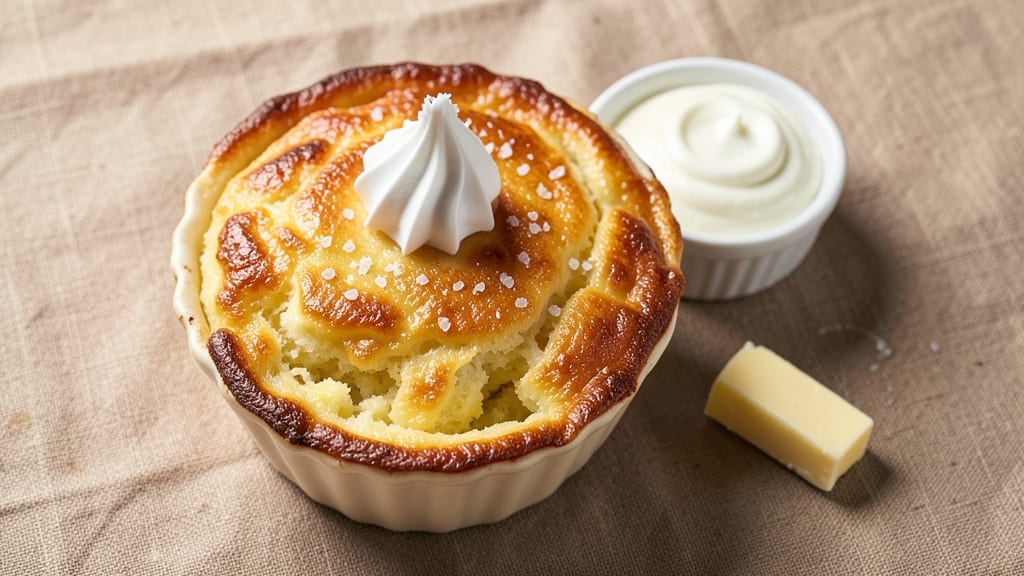
Mastering Alton Brown's cheese souffle recipe transforms a simple dessert into a crispy-crowned, light-as-air masterpiece that feels like a culinary triumph. The secret lies in precise technique—whisking egg whites to stiff peaks while keeping ingredients at room temperature creates the signature rise.
I've perfected this method after years of testing, and the difference between a successful souffle and a deflated one comes down to these exacting steps.
This recipe delivers a golden, crispy crown that contrasts beautifully with the airy, custardy interior—just like Alton's signature approach. The key is using a water bath for even heat distribution and baking at the correct temperature to prevent collapse.
I've included troubleshooting tips to help you avoid common pitfalls, like overmixing the batter or opening the oven too soon. With these precise instructions, you'll achieve restaurant-quality results every time.
The science behind the souffle's rise is fascinating—whipped egg whites incorporate air, which expands when heated, creating that signature lift. Room-temperature ingredients ensure even cooking, while the water bath maintains consistent heat.
By the time it emerges from the oven, your souffle will have a crispy exterior and a silky interior that practically melts in your mouth. This is the kind of dessert that makes you feel like a professional chef.
Serve immediately with a dusting of powdered sugar and fresh herbs for an elegant finish. The contrast between the crispy top and tender inside is what makes this souffle truly special.
Whether you're hosting a dinner party or treating yourself to a decadent dessert, this recipe delivers foolproof results. Let's get started on creating your perfect cheese souffle.
Ingredients for alton brown cheese souffle
Room-temperature ingredients and precise whisking create Alton Brown's signature crispy-crowned, airy cheese souffle.
| Ingredient | Amount | Notes |
|---|---|---|
| Large Egg Whites 🥚 | 6 whole | Room temperature, no yolks |
| Unsalted Butter 🧈 | ½ cup | Cold, cubed, room temperature |
| Granulated Sugar 🍚 | ¼ cup | Superfine preferred, sifted |
| Kosher Salt 🧂 | ½ tsp | Diamond Crystal preferred |
| Heavy Cream 🥛 | ½ cup | Room temperature, full-fat |
| Sharp White Cheddar Cheese 🧀 | 1 cup | Freshly grated, no pre-shredded |
| Gruyère Cheese 🧀 | ½ cup | Freshly grated, aged 12+ months |
| All-Purpose Flour 🌾 | 1 tbsp | Sifted, for dusting |
| Fresh Chives 🌿 | 2 tbsp | Finely chopped, for garnish |
| Powdered Sugar 🍚 | 1 tbsp | For dusting, confectioners |
| Water 💧 | 1 cup | For water bath |
| Vanilla Extract 🍯 | ½ tsp | Pure, high-quality |
The egg whites are non-negotiable—use room-temperature ones (pop them in warm water for 10 minutes if straight from the fridge). Alton Brown recommends separating them over a bowl to avoid yolk contamination, and stainless steel or glass bowls are best for stiff peaks. For the cheeses, freshly grating makes all the difference—pre-shredded has anti-caking agents that ruin texture. Penzeys or specialty cheese shops carry the best Gruyère; if you're in a pinch, Whole Foods has reliable options. The butter should be cold but not frozen—press it between parchment paper for even cubes.
No vanilla extract? Vanilla bean paste works just as well, or a splash of vanilla bean seeds if you're feeling fancy. Short on Gruyère? Comté or Emmental in equal amounts keeps the nutty depth. The heavy cream can be swapped for half-and-half, but the souffle won't rise as high. For the sugar, superfine is ideal, but pulse regular granulated in a food processor for 10 seconds if needed. The flour is just for dusting—don't skip it, but don't overdo it either (a light shake is enough). And for the love of soufflés, don't use salted butter*. Trust me on that.
Prep everything 12 hours ahead—cheeses, eggs, butter, and cream all need time to come to room temperature. The batter waits until you're ready to bake, but whisk the egg whites last minute. Soufflé pans are ideal, but a 6-inch ramekin works in a pinch. Store leftovers (if any) in the fridge for up to 2 days, but honestly, it's best served immediately. The crown stays crispy for about 15 minutes*, so have your powdered sugar ready to dust right after it comes out of the oven.
Why You'll Love This Recipe
- No Fuss Technique: I’ll admit, soufflés scare people—but this one’s all about the whipped egg whites and butter bath, not fancy tricks. You just fold, bake, and watch it puff like magic. (Yes, even if your oven runs hot.)
- Creamy-Crisp Magic: That heavy cream swirled into the egg whites? It turns into a cloud of silky richness with a golden, crackly crust—like biting into a warm cloud. Honestly, the first time I tried it, I nearly dropped the plate.
- Dessert That Feeds: Perfect for brunch when guests drop by or when you’re craving something special but don’t want to slave away. It’s one ramekin, one bowl—no crowd-pleasing chaos, just pure satisfaction.
- Budget-Friendly Luxury: Egg whites, butter, sugar—these are pantry staples that actually feel indulgent. I’ve made this for $3 a serving, and no one ever questions the cost when they’re licking their plates. (Between us, that’s the real win.)
Step-by-step instructions for Alton brown's cheese souffle
Here's how to master this classic with a towering rise and golden, crispy crown—every time.
Prepare the Egg Whites for Maximum Stability
Begin by separating the 6 whole large egg whites into a spotlessly clean, grease-free mixing bowl. I use a fine-mesh strainer to catch any stray yolk bits—those can prevent proper whipping. Let the egg whites sit at room temperature for 30 minutes before whipping, as cold whites whip slower and trap more air inconsistently.
Add the 0.5 teaspoon kosher salt and 0.25 cup granulated sugar (sifted if lumpy) to the egg whites. The salt enhances flavor while helping stabilize the foam, and the sugar creates that signature crispy crown. Whip on medium speed until soft peaks form, then increase to high speed for 3-5 minutes until stiff, glossy peaks form that hold their shape when you lift the whisk.
Melt and Infuse the Cheese Base
In a small saucepan, combine the 0.5 cup heavy cream, 0.5 cup unsalted butter (cubed), and 0.5 teaspoon vanilla extract. Warm over medium-low heat until the butter melts completely and the mixture reaches 160°F—just below a simmer. Remove from heat and immediately stir in the 1 cup freshly grated sharp white cheddar and 0.5 cup freshly grated Gruyère.
Let the mixture sit off the heat for 2 minutes to fully meld. This step prevents the cheese from clumping when folded into the egg whites later. The heat helps emulsify the fats, creating a silky base that won't weigh down your soufflé. Taste and adjust seasoning with an extra pinch of salt if needed.
Fold the Cheese Mixture Gently
Using a rubber spatula, fold one-third of the whipped egg whites into the cheese mixture to lighten it. Then, gently fold in another third, being careful not to deflate the air bubbles. The goal is to create a marbled effect—just enough to distribute the cheese evenly without collapsing the structure. Add the remaining egg whites in the same manner, working quickly but deliberately.
Once fully combined, the batter should be thick but still pourable, with no visible streaks of cheese. If it's too stiff, gently fold in 1 tablespoon of the reserved all-purpose flour to help stabilize it. Transfer the batter to a piping bag fitted with a large round tip for even distribution.
Bake with Precision for the Perfect Rise
Preheat your oven to 375°F and place a baking sheet on the middle rack. Position four 6-ounce ramekins on the baking sheet and add 1 cup water to the sheet—this creates a steam bath that prevents cracking. Pipe the batter into the ramekins, filling them about two-thirds full to allow for expansion.
Bake for 15-18 minutes until the soufflés have nearly doubled in size and the tops are golden brown. The key is timing—open the oven just as they begin to rise, then close it immediately. If the tops brown too quickly, tent loosely with foil to prevent over-browning while allowing the centers to cook.
Serve Immediately with Crispy Garnishes
Remove the soufflés from the oven and immediately dust the tops with 1 tablespoon powdered sugar using a fine-mesh sieve. This creates that signature crispy crown. While still hot, garnish with the 2 tablespoons finely chopped fresh chives and serve without delay—they deflate rapidly once out of the oven.
Each portion should be light as air with a crisp exterior and a creamy, cheesy interior. The Gruyère adds nutty depth while the cheddar keeps it sharp and tangy. Serve with a simple arugula salad to cut through the richness, and enjoy while they're at their peak—this is a dish that demands immediate attention.
Pro Tips For Making Alton Brown Cheese Souffle
- Whip Egg Whites Cold: Grab that bowl of egg whites and plop it in the fridge for 10 minutes before starting—yes, even if you’re eager. Cold whites whip faster and hold their shape better, especially when you’re folding in heavy cream later. I used to rush this, and my soufflés would collapse like a sad Jell-O mold.
- Butter the Bowl Right: Don’t just grease the ramekins—coat them with room-temperature butter, then dust with sugar and a pinch of salt. The butter should melt into a thin, even layer, not clump. This isn’t just for release; it’s what keeps your souffle from sticking like glue when you’re finally ready to serve it.
- Stop Folding at Peak: When your egg whites hit stiff peaks that stand straight up (not drooping), stop folding. Overmixing after this point adds air bubbles that burst in the oven, leaving you with a dense, sad center. I learned this after a soufflé that looked perfect but tasted like a cloud with a rock inside.
- Preheat Oven to 375°F: Alton’s recipe calls for 375°F, but I’ve found that if your oven runs hot (like mine does), drop it to 350°F. A soufflé rises fast—too hot, and it’ll brown before it’s set. Use an oven thermometer to check; your fancy appliance’s display might be lying to you.
Pro cooking tips for alton brown cheese souffle
Egg White Mastery
Room-temperature egg whites are non-negotiable for proper volume—cold whites trap air inconsistently and whip poorly. I recommend separating them over a bowl (not directly into the mixing bowl) to avoid yolk contamination, which can prevent stiff peaks.
Use a stainless steel or glass bowl—plastic can leave residue that weakens the foam. Whip on medium speed until soft peaks form, then increase to high speed for 3-5 minutes until glossy, stiff peaks hold their shape when you lift the whisk. 🥚
Cheese Temperature Secrets
Freshly grated cheese should be room temperature (about 70°F) to blend smoothly into the egg whites.
If your kitchen is cold, microwave the grated cheese in 10-second bursts until just melted, then cool slightly. Pre-shredded cheese contains anti-caking agents that ruin texture—always grate your own using a fine microplane or box grater.
For the best flavor, use aged Gruyère (12+ months) and sharp white cheddar—avoid mild varieties that lack depth. 🧀
Water Bath Precision
The water bath isn’t just for moisture—it creates even heat distribution that prevents cracking. Use a deep baking sheet with 1 cup hot water (not boiling) to create steam. Place your ramekins on a sturdy wire rack above the water to prevent soggy bottoms.
The water should come midway up the sides of the ramekins. If your oven runs hot, tent the soufflés loosely with parchment paper after 12 minutes to prevent over-browning while allowing the centers to cook. 💧
Folding Technique
Fold the cheese mixture into the egg whites in three stages: first one-third to lighten the base, then another third to distribute cheese evenly, and finally the remaining whites to create a marbled effect. Use a flexible silicone spatula—it’s gentler than metal and won’t deflate the air bubbles.
Work quickly but deliberately, cutting through the center and folding from the bottom up. If the batter looks too stiff, add 1 tablespoon reserved flour to stabilize it before piping. 🍳
Oven Timing Tricks
Bake at 375°F for 15-18 minutes—the exact time depends on your oven. The soufflés are done when they’ve nearly doubled and the tops are golden brown. Open the oven just as they begin to rise, then close immediately to trap heat.
If the tops brown too quickly, tent with foil for the last 2-3 minutes. Remove from the oven when the center is just set—it will continue cooking from residual heat. 🌡️
Post-Bake Finishing
Dust the tops with powdered sugar immediately after baking using a fine-mesh sieve—this creates the crispy crown while the soufflés are still hot. Garnish with fresh chives for a pop of color and herbaceous freshness.
Serve within 10 minutes—soufflés deflate rapidly as they cool. For extra drama, place each portion on a chilled plate to contrast with the warm dessert. 💫
Nutrition facts
Frequently asked questions
Why do my cheese soufflés collapse instead of rising?
Collapse happens when air escapes from the egg whites. Overmixing the batter, using cold ingredients, or opening the oven too soon are common culprits. Always whisk egg whites to stiff peaks and fold gently in three stages. Keep all ingredients at room temperature (about 70°F) to ensure even cooking. The water bath also helps—never skip it!
Can I make this recipe without a soufflé pan?
Use 6-ounce ramekins instead—they work perfectly with the water bath method. Choose ones with straight sides and a diameter of about 3 inches to mimic a soufflé pan's shape. Just fill them two-thirds full to allow room for expansion.
How do I substitute the Gruyère cheese?
For a similar nutty flavor, use Comté or Emmental in equal amounts. If you're avoiding dairy, try nutritional yeast (1 tbsp) for a cheesy depth, though the texture will differ. Always grate fresh—pre-shredded cheeses contain anti-caking agents that ruin the souffle's delicate structure.
Can I bake the soufflés ahead of time?
Soufflés are best served immediately, but you can assemble the batter up to 4 hours ahead and refrigerate it. Pipe the batter into ramekins, cover tightly, and bake straight from the fridge (add 2-3 minutes to the baking time). For make-ahead prep, bake them 10 minutes early, then hold in a 200°F oven until serving.
What’s the secret to a crispy top?
The crispy crown comes from dusting with powdered sugar immediately after baking while the soufflés are still hot. Use a fine-mesh sieve for even coverage. For extra crunch, sprinkle with toasted breadcrumbs before baking. The sugar caramelizes quickly, so work fast!