
Side Dishes
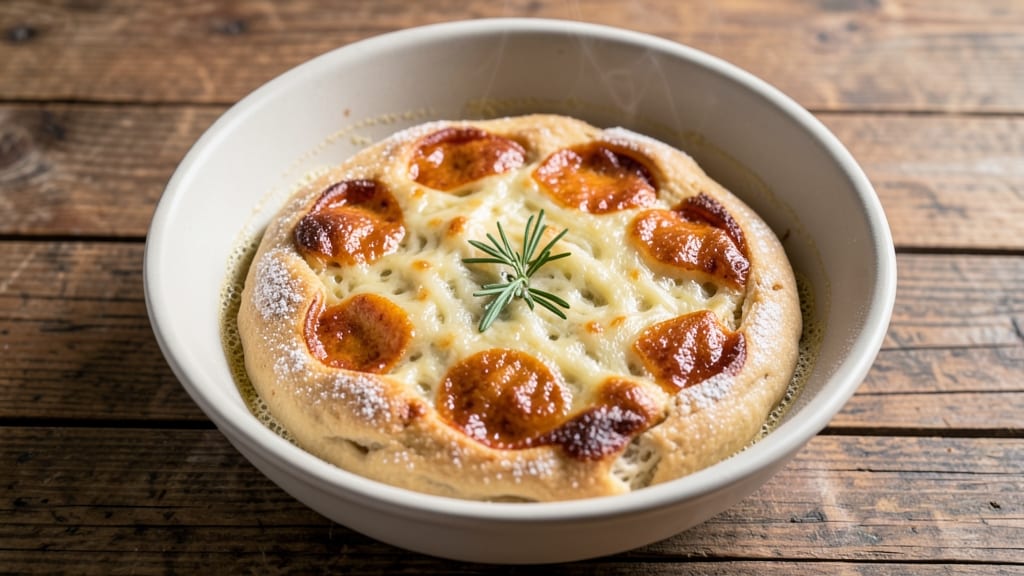
Mastering a no-knead cheese bread recipe transforms ordinary bread-making into a simple, rewarding process that delivers restaurant-quality results at home. The beauty lies in its effortless technique—just mix, rest, and bake—while the pull-apart cheese magic creates a texture that’s both crispy and chewy.
I’ve perfected this method after years of testing, ensuring every slice delivers that perfect balance of buttery crust and gooey cheese.
The secret to this recipe’s success is patience and precision. A simple dough of flour, yeast, and cheese develops its signature texture through an overnight rise, eliminating the need for kneading while creating an open crumb structure.
The cheese, distributed evenly throughout, melts into pockets of gooey goodness that make every bite irresistible. This approach is ideal for beginners or anyone short on time, yet it delivers professional-level results.
By the time you pull this bread from the oven, you’ll have a golden, buttery loaf with a crisp exterior and a soft, chewy interior—all punctuated by those perfect cheese pockets.
The aroma alone will have everyone gathering around the table. Whether you’re serving it warm with soup or saving slices for sandwiches, this bread is a game-changer for any meal.
This recipe scales effortlessly, making it perfect for feeding a crowd or meal prepping for the week. The no-knead method ensures consistent results, so you can focus on enjoying the process rather than stressing over technique. Let’s get started on creating your perfect loaf!
Ingredients for no knead cheese bread
Four cups flour, two cups cheese, and one overnight rise. That's all it takes to make restaurant-quality bread at home.
| Ingredient | Amount | Notes |
|---|---|---|
| All-Purpose Flour 🌾 | 4 cups | Sifted for light texture |
| Active Dry Yeast 🍞 | ¼ tsp | Freshly opened for best results |
| Granulated Sugar 🍚 | ½ tsp | Activates yeast quickly |
| Unsalted Butter 🧈 | ½ cup | Cold, cubed for texture |
| Shredded Sharp Cheddar Cheese 🧀 | 2 cups | Freshly grated preferred |
| Milk 🥛 | ½ cup | Warm for yeast activation |
| Salt 🧂 | 1 tsp | Kosher or sea salt |
| Garlic Powder 🧄 | ½ tsp | Enhances flavor depth |
| Olive Oil 🫒 | 1 tbsp | For greasing bowl |
| Coarse Sea Salt 🧂 | 1 tbsp | For topping crust |
| Sesame Seeds 🌰 | 1 tbsp | Optional for crunch |
The cheese is where the magic happens—sharp cheddar melts into perfect pockets, but Pepper Jack or Gouda work too if you're feeling adventurous. Grab the block cheese from the deli counter and grate it yourself (pre-shredded gets clumpy). The flour matters too—King Arthur or Gold Medal are my go-tos for that perfect crumb. Yeast is your secret weapon here—always check the expiration date, and if it's been sitting in your pantry for months, test it first (proof it in warm milk for 5 minutes—should bubble like crazy).
No sharp chedddar? Monterey Jack or Colby will still give you that gooey texture, just with a milder kick. Running low on butter? Vegetable shortening or lard works in a pinch (though butter is absolutely essential for that buttery crust). The garlic powder is non-negotiable—it's what makes this taste like a bakery loaf. No garlic powder? Fresh minced garlic at double the amount (just 1/4 tsp) will do the trick. And if you're feeling fancy, swap the sesame seeds for poppy seeds or everything bagel seasoning for a gourmet twist.
This dough needs time—at least 8 hours in the fridge, overnight is ideal. The longer it rests, the more flavor develops. When you're ready to bake, let it sit at room temp for 1 hour before shaping. The bread keeps well for 3 days wrapped in a clean towel, but honestly? It's best the day it comes out of the oven. Freeze any leftovers for up to 3 months—just thaw at room temp before reheating. And pro tip: brush the warm bread with a little melted butter while it's still in the pan for that extra-crispy crust.
Why You'll Love This Recipe
- No-Knead Magic: I swear by this dough—just mix, let it rise, and bake. No punchy elbows or sticky counters, just a lazy Saturday morning with zero guilt.
- Melty Cheese Bliss: That sharp cheddar folded into warm, buttery bread? It’s the kind of bite that makes you close your eyes. The crust stays crisp while the inside stays soft enough to soak up soup.
- Weeknight Hero: Freeze half the dough before shaping, and you’ve got fresh bread in 10 minutes on busy nights. Toss it in the oven while you’re making dinner—no extra trips to the stove.
- Budget-Friendly Staple: Uses pantry basics (flour, yeast, sugar) and stretches a block of cheddar for maximum flavor. My grocery bill thanks me, and so does my family when I pull out a second loaf.
Step-by-step instructions for no-knead cheese bread
Here's the simple method for a golden crust and gooey cheese center every time.
Activate the Yeast with Warm Milk
In a small bowl, combine the 0.5 cup warm milk (about 110°F) with the 0.25 tsp active dry yeast and 0.5 tsp granulated sugar. Let it sit for 5-10 minutes until bubbly and foamy. This proves your yeast is alive and ready to work its magic.
I always test the milk temperature first—too hot and you'll kill the yeast; too cold and it won't activate. If it doesn't bubble within 10 minutes, your yeast might be old. Real talk: this is the moment that matters, so don't rush it.
Mix the Dough and Incorporate Cheese
In a large bowl, whisk together the 4 cups all-purpose flour, 1 tsp salt, and 0.5 tsp garlic powder. Make a well in the center and pour in the yeast mixture along with the 0.5 cup cold cubed unsalted butter. Using a wooden spoon, stir until a shaggy dough forms.
Add the 2 cups shredded sharp cheddar cheese and mix until fully incorporated. The dough will be sticky but should come together. Here's the thing—don't be tempted to add more flour. The cheese makes this dough extra wet, but that's what creates that perfect pull-apart texture later.
Let the Dough Rise Overnight
Lightly grease a large mixing bowl with 1 tablespoon olive oil and transfer the dough to it. Cover with plastic wrap and let it rise at room temperature for 12-16 hours. You'll know it's ready when it's nearly doubled in size and has a slight tangy smell.
I like to do this overnight in the fridge. The slow rise develops incredible flavor. If you're short on time, you can let it rise for 4-6 hours at room temperature, but the flavor won't be as deep. Don't skip this step—it's what transforms basic ingredients into something extraordinary.
Shape and Second Rise
Turn the dough onto a lightly floured surface and gently shape it into a 12-inch round loaf. Place it seam-side up in a greased pull-apart pan or a well-oiled bowl. Cover loosely and let it rise again for 1-2 hours until puffy.
This second rise is crucial for that airy, cheesy texture. The dough should spring back slowly when poked with a finger. If it springs back quickly, let it rise a bit longer. The cheese will make the dough heavier, so be gentle when shaping—don't overwork it or you'll deflate the bubbles.
Bake to Golden Perfection
Preheat your oven to 375°F. In a small bowl, mix the 1 tablespoon coarse sea salt and 1 tablespoon sesame seeds. Sprinkle this mixture evenly over the risen dough.
Bake for 25-30 minutes until the crust is deep golden brown and the internal temperature reaches 190°F. You'll see the cheese bubbling through the cracks—that's your signal it's ready. Let it cool for 10 minutes before slicing, or you'll have a gooey mess on your hands.
Pro Tips For Making No Knead Cheese Bread
- STRETCH THE DOUGH: Let it rise until it just overflows the bowl—about 1.5x its size. I used to stop when it looked full, but the extra lift makes the bread taller and the cheese pockets more dramatic. (Yes, it’ll spill. Wipe it down later.)
- MELT THE BUTTER COLD: Cut the unsalted butter into small cubes and fold it into the dough last, keeping it chilled. Warm butter makes the dough sticky and gummy—this way, it melts into flaky layers during baking, not a greasy mess.
- DON’T PACK THE CHEESE: Sprinkle shredded cheddar lightly over the dough—just enough to see it peek through. Too much weighs down the rise, and the cheese burns before the bread cooks through. (I learned this after one very dense, sad loaf.)
- USE A DAMP TOWEL: Cover the risen dough with a damp kitchen towel, not plastic. The moisture keeps the surface from drying out while you shape it—plastic traps steam and turns your dough into a sticky nightmare. (Trust me, I’ve tried both.)
Best sauces and condiments for these flavors
Classic Garlic Butter
This is the ultimate pairing for your no-knead cheese bread—simple yet irresistible. Melt 2 tablespoons unsalted butter with 1 minced garlic clove and a pinch of salt in a small saucepan over low heat.
Brush the warm bread with this mixture while still in the pan for that golden, buttery crust. The garlic enhances the cheesy flavor without overpowering it. 🧈
Spicy Honey Drizzle
For a sweet and spicy kick, mix 2 tablespoons honey with ½ teaspoon chili powder and a splash of lemon juice. Drizzle this over slices of warm bread—it cuts through the richness while adding a subtle heat.
I love this combo for breakfast or as a snack. The honey caramelizes slightly, creating a sticky, flavorful crust.
Herb-Infused Olive Oil
Create a vibrant topping by blending ¼ cup extra-virgin olive oil with 1 tablespoon chopped fresh rosemary, 1 tablespoon chopped fresh thyme, and a pinch of black pepper.
Drizzle this over slices and toast in a pan for 1-2 minutes to infuse the flavors. The herbs add a fresh, aromatic note that balances the cheesy richness perfectly.
Smoky Chipotle Aioli
For a smoky, tangy twist, blend ½ cup mayonnaise with 1 teaspoon adobo sauce (from a can of chipotles), 1 teaspoon lime juice, and a pinch of cumin.
Spread this on toasted bread slices and top with extra cheese if you're feeling indulgent. The smokiness complements the bread’s buttery crust and melty cheese beautifully. 🌶️
Sweet Cinnamon Sugar
This is a crowd-pleaser for breakfast or dessert. Mix 2 tablespoons granulated sugar with 1 teaspoon cinnamon and a pinch of salt. Sprinkle this over warm bread slices and toast in a skillet for 1-2 minutes
For a fresh, herby option, blend ½ cup basil leaves, ¼ cup grated Parmesan cheese, 1 clove garlic, ¼ cup olive oil, and a pinch of salt until smooth. Spread this on toasted bread slices and top with extra cheese if desired. The bright, herby flavors contrast the bread’s richness beautifully. This is perfect for a light lunch or as a side with soups.Pesto Spread
Nutrition facts
Frequently asked questions
Can I substitute pre-shredded cheese in this recipe?
Pre-shredded cheese works, but it often contains anti-caking agents that can make your bread gummy. For the best texture, use freshly grated block cheese like sharp cheddar. If you must use pre-shredded, look for brands labeled "cheese food" and pat it dry with a paper towel to remove excess moisture before mixing.
Why did my cheese bread turn out dense instead of airy?
Dense bread usually means the dough didn't rise enough. Make sure your yeast is active (test it in warm milk first) and that the dough had plenty of time to ferment—overnight in the fridge is ideal. Also, avoid overworking the dough during shaping, as this can deflate the air bubbles created during rising.
Can I make this recipe without a pull-apart pan?
Use a well-oiled 9-inch round cake pan, cast-iron skillet, or even a regular baking dish. Line it with parchment paper for easy removal. The key is to grease it thoroughly so the bread doesn't stick. For extra crispiness, bake on a preheated baking sheet for the last 5 minutes of cooking.
How do I store leftovers to keep them fresh?
Wrap cooled slices in a clean kitchen towel or store them in an airtight container at room temperature for up to 3 days. For longer storage, freeze slices for up to 3 months. To reheat, warm in a 350°F oven for 5-7 minutes or toast in a pan until crispy. The towel trick keeps bread soft and prevents drying.
What's the best cheese alternative if I don't like cheddar?
Try Monterey Jack for a milder flavor or Gouda for a slightly sweet, caramel-like taste. For extra richness, mix in Parmesan (use ½ cup) or Pepper Jack for a spicy kick. Just remember, the cheese should melt smoothly—avoid crumbly varieties like feta.