
Desserts
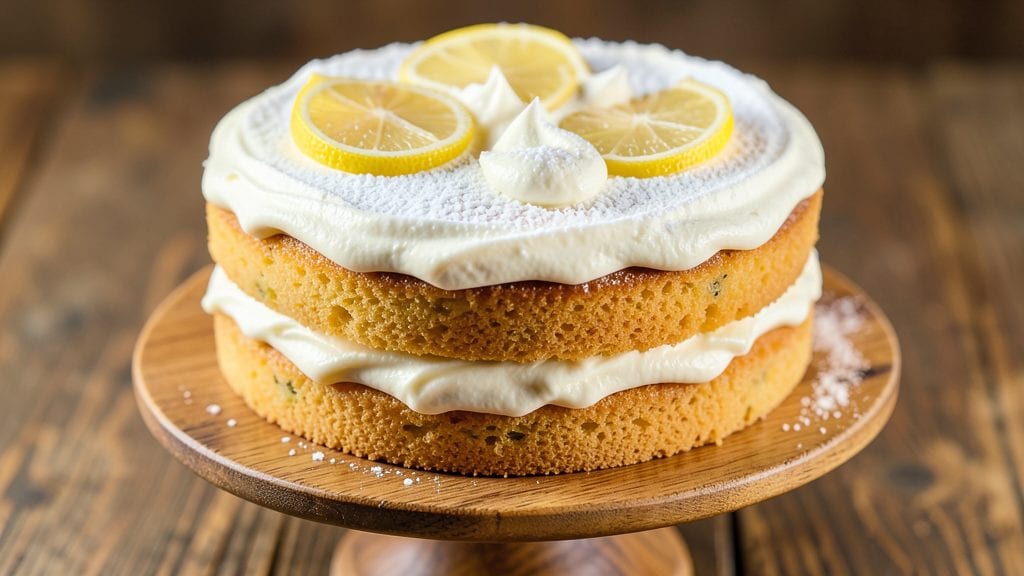
A lemon cake with cream cheese icing recipe delivers the perfect balance of bright citrus and rich, velvety frosting—every slice is a harmonious marriage of flavors. This dessert became my go-to for summer gatherings after years of perfecting the tender crumb and tangy icing that keeps everyone asking for seconds.
The secret lies in a precise mix of buttermilk and lemon zest that infuses the cake with zing without overpowering it, while the cream cheese frosting adds a luxurious creaminess that makes it impossible to resist.
The beauty of this recipe is in its simplicity—just a few key ingredients transform into a showstopping dessert that looks as impressive as it tastes.
A 350°F oven and 30 minutes of baking time ensure a moist, golden cake with just the right texture, while the frosting comes together in minutes with a stand mixer or even by hand.
The combination of lemon's acidity and the frosting's sweetness creates a flavor profile that's both refreshing and indulgent, making it ideal for brunch, afternoon tea, or any celebration.
What you'll achieve is a three-layer cake with a tender, fluffy crumb that's perfectly balanced by the smooth, tangy cream cheese frosting. The bright yellow layers contrast beautifully with the pale frosting, creating an eye-catching dessert that's as pleasing to the eye as it is to the palate.
Each bite delivers a burst of lemon flavor followed by the creamy sweetness of the icing—a combination that's impossible to resist.
This recipe scales effortlessly for parties or stays perfectly portioned for a small gathering, and the frosting can be made ahead to save time.
Whether you're a seasoned baker or just starting out, the step-by-step instructions will guide you to a restaurant-quality dessert that tastes like it came from a patisserie. Let's get started on creating this crowd-pleasing treat.
Ingredients for lemon cake with cream cheese icing
Fourteen ingredients, three layers, and a frosting that transforms simple cake into restaurant-quality dessert.
| Ingredient | Amount | Notes |
|---|---|---|
| All-Purpose Flour 🌾 | 2 ½ cups | Sifted for light texture |
| Granulated Sugar 🍚 | 2 cups | Divided for cake and frosting |
| Unsalted Butter 🧈 | 1 cup | Room temperature, full-fat |
| Large Eggs 🥚 | 4 whole | Room temperature, separated |
| Buttermilk 🥛 | 1 cup | Cold, full-fat preferred |
| Fresh Lemon Zest 🍋 | 3 tbsp | Fine grated, organic preferred |
| Lemon Juice 🍋 | ½ cup | Freshly squeezed, no pulp |
| Baking Powder 🍞 | 2 tsp | Aluminum-free preferred |
| Salt 🧂 | ½ tsp | Diamond Crystal kosher |
| Vanilla Extract 🌸 | 1 tsp | Pure Madagascar bourbon |
| Cream Cheese 🧀 | 16 oz | Full-fat, room temperature |
| Heavy Whipping Cream 🥛 | 1 cup | Cold, 36% fat minimum |
| Powdered Sugar 🍚 | 3 cups | Sifted for smooth frosting |
| Unflavored Gelatin 🍬 | 2 tsp | Bloomed in 3 tbsp cold water |
The butter and eggs are non-negotiable for that tender crumb—room temperature is critical for even mixing. Organic lemons from the farmers market yield more vibrant zest, but conventional works too. For the cream cheese, Philadelphia brand is the gold standard, though any full-fat block will do. The gelatin in the frosting stabilizes the layers, preventing that dreaded 'weep'—bloom it properly or risk a runny mess. Sift your dry ingredients together to avoid lumps, and measure flour precisely: spoon-and-level method only.
No buttermilk? Substitute with 1 cup milk plus 1 tbsp vinegar, let sit for 5 minutes. Out of vanilla? Almond extract at half the amount works in a pinch. For the frosting, whipped cream cheese is essential—don't skip the chilling step. Powdered sugar can be swapped for superfine sugar if you're in a bind, though it won't be as smooth. The lemon juice should be freshly squeezed; bottled lacks the bright acidity that cuts through the richness. If your frosting curdles, start over with fresh cream cheese—no amount of mixing will fix it.
Store cake layers wrapped in plastic at room temperature for 2 days or 1 week refrigerated. The frosting keeps 5 days refrigerated or 3 months frozen—thaw overnight in the fridge. Assemble the cake just before serving to prevent sogginess. For parties, bake layers 1 day ahead, frost 4 hours ahead, and store uncovered at 60°F to maintain crispness. Freeze frosting on parchment paper for easy layering later.
Why You'll Love This Recipe
- No Mixer Needed: I swear by this—just a bowl and a whisk. The buttermilk keeps the batter light without overmixing, and the butter stays soft enough to cream by hand. (Yes, even in my tiny apartment kitchen.)
- Tangy Sweet Magic: That lemon zest in the batter? It’s bright, zesty, and just sweet enough to balance the rich cream cheese frosting. The first bite is like sunshine in cake form—honestly, I’ve had people ask for the recipe after one slice.
- Brunch or Dessert: Serve it warm with coffee for brunch or chilled for a picnic. The cream cheese icing stays smooth, and the lemon flavor works with tea, fruit, or even a sprinkle of berries. (My mom’s book club requests it twice a year—no joke.)
- Leftovers That Last: This cake keeps for days in the fridge, and the frosting doesn’t melt or dry out. I’ve packed slices for lunches, gifted portions to neighbors, and still had enough for seconds. Budget-friendly? Absolutely—just flour, sugar, and butter.
Step-by-step instructions for lemon cake with cream cheese icing
Precision matters here—every step builds the signature balance of citrus brightness and velvety frosting.
Prepare the Cake Batter with Exact Technique
Preheat oven to 350°F and grease two 9-inch round cake pans with unsalted butter, then line with parchment circles. In a stand mixer, cream the 1 cup unsalted butter and 1 cup granulated sugar on medium-high speed for 4-5 minutes until light and fluffy. This step aerates the batter for a tender crumb—don't rush it.
Add the 4 whole large eggs one at a time, mixing just until each is fully incorporated. Scrape down the bowl, then add the 3 tablespoons fresh lemon zest, 0.5 cup lemon juice, 1 teaspoon vanilla extract, and mix until combined. Sift in the 2.5 cups all-purpose flour, 2 teaspoons baking powder, and 0.5 teaspoon salt, mixing on low speed until just combined—overmixing develops gluten and makes the cake dense.
Stir in the 1 cup cold buttermilk by hand until the batter is smooth. Divide evenly between pans and bake for 25-30 minutes until a toothpick inserted comes out clean. Let cool in pans for 10 minutes, then transfer to a wire rack to cool completely.
Create the Cream Cheese Frosting Foundation
In a medium bowl, beat the 16 ounces cream cheese and 1 cup unsalted butter with an electric mixer on medium speed until completely smooth and creamy—this should take about 3-4 minutes. The mixture should be homogeneous with no lumps, as any remaining texture will show in the final frosting.
Gradually add the 3 cups powdered sugar, mixing on low speed until incorporated. Increase speed to medium and beat for 2-3 minutes until light and fluffy. Add the 1 cup heavy whipping cream and 1 teaspoon vanilla extract, mixing until fully combined. The frosting should be thick but pipeable—if it's too stiff, add 1-2 tablespoons lemon juice to loosen.
Bloom the Gelatin for Smooth Frosting
Sprinkle the 2 teaspoons unflavored gelatin evenly over 3 tablespoons cold water in a small bowl. Let sit for 5 minutes to bloom completely—this activates the gelatin without cooking it. Place the bowl over a saucepan of simmering water and stir gently until fully dissolved, about 1-2 minutes. Remove from heat and let cool to room temperature.
Gradually add the dissolved gelatin to the frosting mixture, mixing on low speed until fully incorporated. This step creates a stable, glossy finish that holds its shape. Taste and adjust sweetness with additional powdered sugar if needed—remember, the lemon cake already has bright acidity, so balance is key.
Assemble and Layer with Precision
Level the cooled cake layers if needed, then place one layer on a cake stand. Spread a thin layer of frosting over the top—this is called a "crumb coat" and prevents crumbs from mixing into the final frosting. Chill the cake for 15 minutes to set the crumb coat.
Apply the remaining frosting between layers, then cover the entire cake with a smooth, even layer. Use a long spatula to create clean edges and swirls. For extra shine, brush the top with 1 tablespoon lemon juice diluted with 1 tablespoon water—this enhances the lemon flavor and gives the frosting a professional sheen. Chill for 1 hour before slicing to allow the frosting to fully set.
Pro Tips For Making Lemon Cake With Cream Cheese Icing
- Cream the Butter Slowly: I learned this the hard way—dumping cold butter into sugar at once just makes a sad, grainy mess. Beat the butter and sugar together for at least 3-4 minutes until it’s pale and fluffy, like wet sand. That’s when the cake gets light, not dense.
- Measure Buttermilk Right: Buttermilk’s thickness changes everything. If it’s too thin, your cake will be flat; too thick, and it’ll be dry. Mix 1 tablespoon vinegar or lemon juice into 1 cup milk, let sit 5 minutes, then measure. No guessing—just consistency.
- Avoid Overmixing the Batter: The second you see streaks of flour disappear, stop. Overmixing develops gluten and turns your tender lemon cake into a chewy brick. Fold just until combined—your batter should look like thick pancake batter, not playdough.
- Bake Until Springy: The cake’s done when the center bounces back when pressed, not when the timer dings. Overbaking dries it out, and underbaking leaves a gummy mess. A toothpick with moist crumbs (not wet batter) is the real test.
Best sauces and condiments for lemon cake with cream cheese icing
Lemon Curd Swirl
Elevate your cake by swirling in a layer of homemade lemon curd between frosting applications. Use ½ cup store-bought or homemade lemon curd (like Bon Appétit's recipe)—spread it thinly over the first layer before adding frosting.
The curd's tangy richness cuts through the sweetness, creating bursts of flavor with every bite. 💛
Citrus Glaze Drizzle
For a restaurant-worthy finish, drizzle the top with a lemon glaze made from ½ cup powdered sugar and 2 tablespoons fresh lemon juice. Thin with 1 teaspoon water until pourable, then drizzle over the chilled cake. This adds a glossy sheen and extra zing without altering the frosting's texture.
Berry Compote Topping
Brighten the cake with a raspberry or strawberry compote—simmer 1 cup fresh berries with 2 tablespoons sugar and 1 teaspoon lemon juice until thickened. Spread over the top layer or pipe dollops alongside slices.
The berries' acidity complements the lemon perfectly while adding vibrant color. Use Trader Joe's frozen berries for convenience.
Honey-Lemon Drizzle
For a sophisticated twist, drizzle the cake with a honey-lemon glaze made from ¼ cup honey and 1 tablespoon lemon juice. Heat gently until smooth, then drizzle over the frosting. The honey adds depth while the lemon ties everything together. Manuka honey enhances the flavor with its floral notes.
Caramelized Walnut Garnish
Toast ½ cup walnuts in a dry pan until fragrant, then toss with 1 tablespoon brown sugar and 1 teaspoon butter to caramelize. Sprinkle over the top for crunch and visual contrast. The nutty sweetness balances the lemon's acidity beautifully. 🌟
Spiced Whipped Cream
Serve slices with a dollop of spiced whipped cream—whip ½ cup heavy cream with 1 teaspoon vanilla, ½ teaspoon cinnamon, and a pinch of cardamom.
The warm spices complement the lemon's brightness and add a cozy touch. Store-bought Reddi-wip works in a pinch, but homemade tastes far superior.
Nutrition facts
Frequently asked questions
Why does my lemon cake turn out dense instead of light?
Overmixing the batter develops gluten, making the cake dense. Mix dry ingredients just until combined and avoid overbeating the butter-sugar mixture. Also, ensure your butter and eggs are room temperature—cold ingredients create a heavier texture. Let the cake cool completely before frosting to prevent sogginess.
Can I make this cake without buttermilk?
Substitute with 1 cup milk plus 1 tablespoon vinegar (or lemon juice) and let it sit for 5 minutes before using. For a dairy-free version, use 1 cup coconut milk yogurt or a vegan buttermilk substitute. The acidity is crucial for the tender crumb.
How do I fix lumpy cream cheese frosting?
Lumps usually mean the cream cheese wasn't soft enough. Beat it with butter until completely smooth before adding sugar. If lumps appear later, strain the frosting through a fine-mesh sieve or re-whip with a splash of lemon juice to loosen. Always use room-temperature cream cheese—never cold.
Can I use this recipe for a single-layer cake?
Yes! Simply bake the batter in a 9x13-inch pan for 25-30 minutes and reduce frosting by half. For a cupcake version, bake 12-15 minutes in a muffin tin and top with a swirl of frosting. The same frosting recipe works perfectly for both—just scale down the quantity.
How far ahead can I make the frosting?
The frosting keeps for 5 days refrigerated or 3 months frozen on parchment paper. Thaw overnight in the fridge before using. For best texture, make it 1 day ahead—it actually improves as it rests! Store in an airtight container to prevent drying.